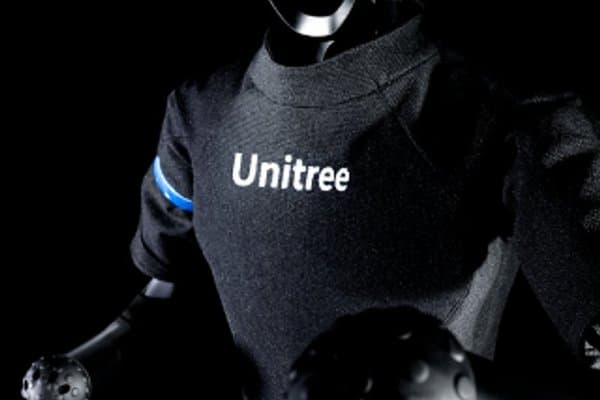
Humanoid robots are no longer science fiction. In 2026, Chinese manufacturers are shipping full-size bipedal humanoids at prices that were unimaginable just two years ago. From Unitree's $16,000 G1 to UBTech's commercial Cruzr, the market spans research platforms, commercial service robots, and everything in between.
This guide breaks down the types, prices, and best use cases for humanoid robots available today.
Types of Humanoid Robots
Not all humanoid robots are built the same. Understanding the categories helps narrow your search.
1. Bipedal Research Platforms
Full bipedal humanoids that walk, run, and manipulate objects. These are primarily used in research labs and advanced commercial pilots.
Key players: Unitree H1, Unitree G1, Fourier GR-1, UBTech Walker X
Price range: $16,000 - $400,000
2. Wheeled Service Humanoids
Humanoid upper body mounted on a wheeled base. These are the most commercially deployed humanoid robots today.
Key players: UBTech Cruzr, SoftBank Pepper (manufactured in China)
Price range: $12,000 - $28,000
3. Companion Humanoids
Smaller humanoid robots for home and education use.
Key players: UBTech Alpha Mini, UBTech Yanshee
Price range: $300 - $1,800
Price Comparison: Chinese vs Western Humanoids
| Robot | Origin | Type | Price |
|---|---|---|---|
| Unitree G1 | China | Bipedal | $16,000 - $30,000 |
| Unitree H1 | China | Bipedal | $90,000 - $150,000 |
| UBTech Cruzr | China | Wheeled | $12,000 - $20,000 |
| Fourier GR-1 | China | Bipedal | $100,000 - $200,000 |
| Boston Dynamics Atlas | USA | Bipedal | Not for sale (research only) |
| Tesla Optimus | USA | Bipedal | Est. $20,000 - $30,000 (not yet shipping) |
| Agility Digit | USA | Bipedal | $250,000+ |
The price advantage of Chinese humanoids is clear. Unitree's G1 at $16,000 offers bipedal walking capabilities that would cost $200,000+ from Western manufacturers — if they were even available for purchase.
Best Use Cases in 2026
Commercial Reception & Service
The UBTech Cruzr is the most practical humanoid robot for businesses today. Deployed in banks, airports, hotels, and retail stores worldwide, it handles reception, wayfinding, and customer inquiries. ROI is typically achieved within 12-18 months by reducing reception staff needs.
Research & Development
The Unitree G1 has become the default platform for university robotics labs due to its unprecedented price-performance ratio. Its open SDK with ROS2 support enables research in locomotion, manipulation, and AI without a six-figure budget.
Rehabilitation & Healthcare
Fourier Intelligence's GR-1 brings rehabilitation robotics expertise to a full humanoid platform. Its force control capabilities make it uniquely suited for safe human-robot interaction research in healthcare settings.
Education & STEM
The UBTech Yanshee teaches AI, robotics, and programming in a humanoid form factor that engages students more than traditional wheeled robots. Used in hundreds of schools for advanced STEM programs.
5 Things to Consider Before Buying
- Define your actual use case — bipedal walking is impressive but wheeled robots are more practical for most commercial applications today
- Check SDK and developer support — Unitree has the most active open-source community, UBTech has the most mature commercial SDK
- Plan for after-sales — humanoid robots require more maintenance than simpler robots, verify spare parts availability and service options
- Start with a pilot — deploy one unit before committing to fleet purchases, humanoid robots require facility-specific configuration
- Consider the timeline — if your application needs reliability today, go with UBTech Cruzr. If you can tolerate some development work, Unitree's platforms offer better long-term potential
The Chinese Humanoid Robot Advantage
China's humanoid robot industry benefits from several structural advantages: a mature supply chain for motors and sensors, lower manufacturing costs, aggressive government R&D funding, and a willingness to price aggressively for market share. These factors combine to make Chinese humanoids 50-80% cheaper than Western alternatives at comparable capability levels.
As the technology matures and prices continue to fall, humanoid robots from China will increasingly move from research labs into commercial service roles.