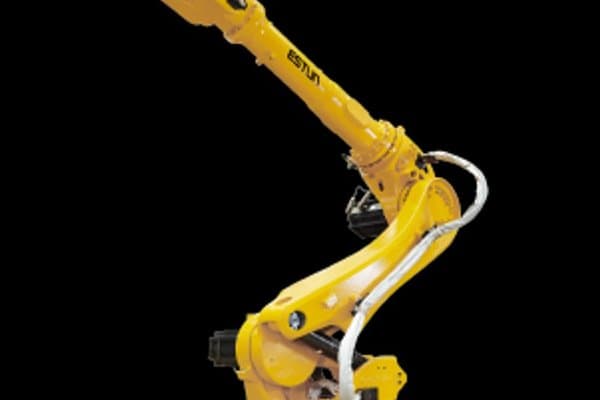
Palletizing is one of the most repetitive and physically demanding tasks in manufacturing and logistics. It's also one of the easiest to automate with a robot — and Chinese manufacturers make it more affordable than ever.
This guide covers everything you need to know about palletizing robots: costs, ROI, selection criteria, and top brands.
Why Automate Palletizing?
Manual palletizing is a leading cause of workplace injuries. Workers lift and place 20-50kg boxes hundreds of times per shift, leading to back injuries, fatigue, and high turnover. A palletizing robot works 24/7 without fatigue, injury risk, or sick days.
Key benefits:
- 2-3x throughput improvement
- 99.9% stacking accuracy
- Elimination of repetitive strain injuries
- Consistent pallet quality for shipping
- 12-18 month ROI
Chinese vs European/Japanese Palletizing Robots
| Factor | Chinese (Estun, Siasun) | European/Japanese (ABB, FANUC) |
|---|---|---|
| Price range | $28,000 - $55,000 | $50,000 - $120,000 |
| Payload capacity | 50 - 300kg | 50 - 500kg |
| Speed | 600 - 1200 cycles/hr | 800 - 1500 cycles/hr |
| Reliability | 95-98% uptime | 98-99% uptime |
| Service network | Growing globally | Established worldwide |
| Best for | Most standard applications | Ultra-high-speed, heavy payload |
For 80% of palletizing applications, Chinese robots deliver comparable performance at 40-60% lower cost.
Top Chinese Palletizing Robot Brands
Siasun
China's largest robot manufacturer. The SR210C handles up to 210kg with proven 24/7 reliability. Best for heavy-duty applications.
Estun
Uses Japanese servo technology with Chinese manufacturing value. The ER130-2600 offers excellent 2600mm reach for multi-pallet operations.
Efort
Best value option with the QJR130 offering competitive performance at aggressive pricing. Growing rapidly in Southeast Asian markets.
STEP Electric
Budget-friendly option with the SR130. Good for small manufacturers entering automation for the first time.
Total System Cost Breakdown
The robot arm is only 40-60% of total system cost. Here's a realistic budget for a complete palletizing cell.
| Component | Cost Range |
|---|---|
| Robot arm | $28,000 - $55,000 |
| Gripper (vacuum or mechanical) | $2,000 - $12,000 |
| Safety fencing and sensors | $3,000 - $8,000 |
| Conveyor integration | $5,000 - $15,000 |
| PLC and programming | $3,000 - $10,000 |
| Installation and commissioning | $5,000 - $15,000 |
| **Total system cost** | **$46,000 - $115,000** |
ROI Calculation
Here's a typical ROI scenario for a mid-range palletizing system.
| Item | Amount |
|---|---|
| System investment | $65,000 |
| Annual labor savings (2 workers × 2 shifts) | $80,000 - $120,000 |
| Reduced injury/workers' comp costs | $5,000 - $15,000 |
| Increased throughput value | $10,000 - $30,000 |
| Annual maintenance cost | -$3,000 - -$5,000 |
| **Net annual benefit** | **$92,000 - $160,000** |
| **Payback period** | **5 - 9 months** |
How to Get Started
- Document your current process — measure box sizes, weights, pallet patterns, and throughput requirements
- Get quotes from 2-3 manufacturers — compare total system costs, not just robot arm prices
- Request a simulation — reputable manufacturers will simulate your specific application
- Plan for installation — allocate 2-4 weeks for installation and commissioning
- Train your team — ensure operators and maintenance staff are trained on the new system