Warehouse automation is no longer reserved for Amazon-scale operations. In 2026, small and mid-size warehouses are adopting robots to handle picking, sorting, and transport — and the technology has become both more affordable and easier to deploy.
This guide breaks down the types of warehouse robots available, what they cost, and how to plan a successful implementation.
Types of Warehouse Robots
Warehouse robots fall into four main categories, each designed for different tasks within the fulfillment process.
1. Autonomous Mobile Robots (AMRs)
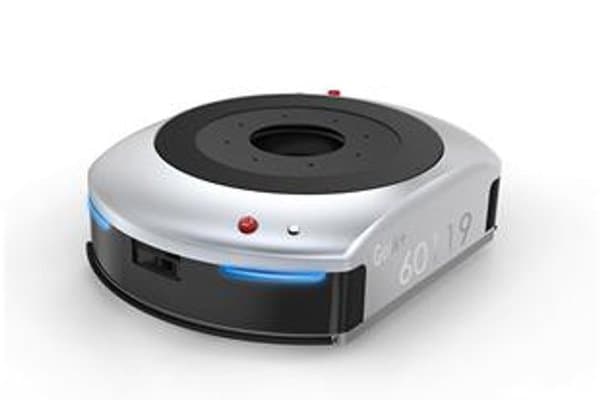
AMRs navigate dynamically using sensors, cameras, and AI. They can reroute around obstacles and people, making them ideal for mixed-traffic environments. Common uses include goods-to-person picking, tote transport, and collaborative order fulfillment.
2. Automated Guided Vehicles (AGVs)
AGVs follow fixed paths using floor markers, magnetic strips, or wires. They are simpler and cheaper than AMRs but less flexible. Best for repetitive point-to-point transport in structured environments like manufacturing plants.
3. Robotic Picking Systems
These robots use articulated arms with vision systems to pick individual items from bins or shelves. They handle the most labor-intensive part of warehouse operations and are advancing rapidly with AI-powered grasp planning.
4. Sorting Robots
Small, fast robots that sort parcels and packages by destination on a flat sorting platform. Popular in e-commerce fulfillment centers and logistics hubs.
Cost Comparison by Type
Prices below reflect FOB China pricing from major manufacturers. Landed costs in your market will be 10–20% higher.
| Robot Type | Price Per Unit (FOB) | Fleet Size Needed | Total System Cost |
|---|---|---|---|
| AMR (goods-to-person) | $15,000 – $30,000 | 10–50+ units | $200,000 – $1,500,000 |
| AGV (transport) | $8,000 – $20,000 | 5–30 units | $60,000 – $600,000 |
| Picking arm | $30,000 – $80,000 | 1–10 units | $50,000 – $800,000 |
| Sorting robot system | $3,000 – $5,000/unit | 50–500+ units | $200,000 – $2,000,000 |
Note: Total system cost includes robots, software, shelving/infrastructure, installation, and commissioning. The per-unit price is only part of the equation.
Top Manufacturers: Geek+ vs. Hikrobot
Two Chinese companies dominate the global warehouse robotics market. Here is how they compare.
| Feature | Geek+ | Hikrobot |
|---|---|---|
| Founded | 2015 (Beijing) | 2016 (Hangzhou, subsidiary of Hikvision) |
| Global deployments | 30+ countries | 30+ countries |
| Core product | Goods-to-person AMR (P-series) | Goods-to-person AMR (F-series) |
| Sorting solution | Yes (S-series) | Yes (Latent mobile sorting) |
| Picking arm | Yes (via partners) | Yes (integrated arm solution) |
| Software platform | GEEK+ RMS | Hikrobot iWMS / RCS |
| Key advantage | Largest AMR fleet globally, proven at scale | Backed by Hikvision (strong vision AI), competitive pricing |
| Price positioning | Mid to High | Mid (typically 10–20% lower than Geek+) |
Both are excellent choices. Geek+ has more global references and a larger installed base. Hikrobot often wins on price and integrates well with Hikvision's camera and sensor ecosystem.
Other notable manufacturers include Quicktron (Alibaba-backed), HAI Robotics (automated storage), ForwardX, and Mushiny.
ROI Analysis
Warehouse robots deliver ROI through labor savings, throughput increases, and error reduction.
Labor Savings
In a typical goods-to-person deployment, a fleet of 20 AMRs can reduce the number of pickers needed by 50–70%. For a warehouse with 50 pickers at $3,500/month each, that translates to:
| Metric | Before Robots | After Robots |
|---|---|---|
| Pickers needed | 50 | 15–25 |
| Monthly labor cost | $175,000 | $52,500 – $87,500 |
| Monthly savings | — | $87,500 – $122,500 |
| Annual savings | — | $1,050,000 – $1,470,000 |
Throughput Improvement
AMR-based systems typically increase picking throughput by 2–3x. Workers stay at their station while robots bring shelves to them, eliminating walking time that accounts for 60–70% of a picker's day.
Error Reduction
Robot-guided picking reduces error rates from 1–3% (manual) to under 0.1%, lowering return processing costs and improving customer satisfaction.
Payback Period
| Deployment Scale | System Cost | Annual Savings | Payback Period |
|---|---|---|---|
| Small (10 AMRs) | $300,000 | $400,000 – $600,000 | 6 – 9 months |
| Medium (30 AMRs) | $800,000 | $900,000 – $1,200,000 | 8 – 11 months |
| Large (100+ AMRs) | $3,000,000 | $2,500,000 – $4,000,000 | 9 – 15 months |
Integration with Warehouse Management Systems (WMS)
A critical factor in any warehouse robot deployment is how well the robots integrate with your existing WMS.
Key integration points:
- Order dispatch: WMS sends pick orders to the robot fleet management system (RMS/RCS)
- Inventory sync: Robot movements update inventory locations in real time
- Slotting optimization: The robot system optimizes shelf placement based on order frequency
- Reporting: Combined analytics from WMS + robot system for full visibility
Most major manufacturers (Geek+, Hikrobot, HAI Robotics) offer standard APIs and pre-built connectors for popular WMS platforms like Manhattan, SAP EWM, and Oracle WMS. For custom or legacy WMS, budget 4–8 weeks for integration development.
Implementation Steps: How to Get Started
Deploying warehouse robots is a structured process. Here is a typical timeline.
Phase 1: Assessment (2–4 weeks)
- Analyze your current warehouse layout, order profiles, and SKU data
- Define goals: throughput target, labor reduction, accuracy improvement
- Get quotes from 2–3 manufacturers
Phase 2: Design and Planning (4–8 weeks)
- Manufacturer creates a simulation of your warehouse with robots
- Finalize robot count, shelf layout, and charging station placement
- Plan WMS integration
Phase 3: Installation (4–8 weeks)
- Prepare the warehouse floor (flatness, markings if needed)
- Install charging stations, shelving, and safety infrastructure
- Deploy robots and configure the fleet management software
Phase 4: Go-Live and Optimization (2–4 weeks)
- Run parallel operations (manual + robot) during transition
- Train staff on the new workflow
- Optimize robot paths and shelf allocation based on real order data
Total timeline: 3–6 months from initial assessment to full deployment.
Common Concerns Addressed
"Is my warehouse too small for robots?"
Not necessarily. AMR systems can be deployed in warehouses as small as 2,000 sqm. For very small spaces, consider a simpler AGV or collaborative robot setup.
"What if my product mix changes frequently?"
AMR-based systems are inherently flexible. Shelves can be rearranged by the robots themselves, and the system adapts to new SKU profiles automatically.
"Do I need to shut down during installation?"
Most deployments can be done in phases without shutting down the warehouse. Phased rollouts allow you to validate each zone before moving on.
Next Steps
GrabaRobot partners with leading warehouse robot manufacturers including Geek+, Hikrobot, HAI Robotics, and Quicktron. We help you compare solutions, get competitive quotes, and manage the procurement process.
Explore our warehouse robot catalog for detailed product specifications and pricing.
Looking for manufacturer comparisons and reviews? Visit our dedicated manufacturer guide.
Warehouse Robot Manufacturers →
Ready to start planning your warehouse automation project? Contact us for a free consultation.