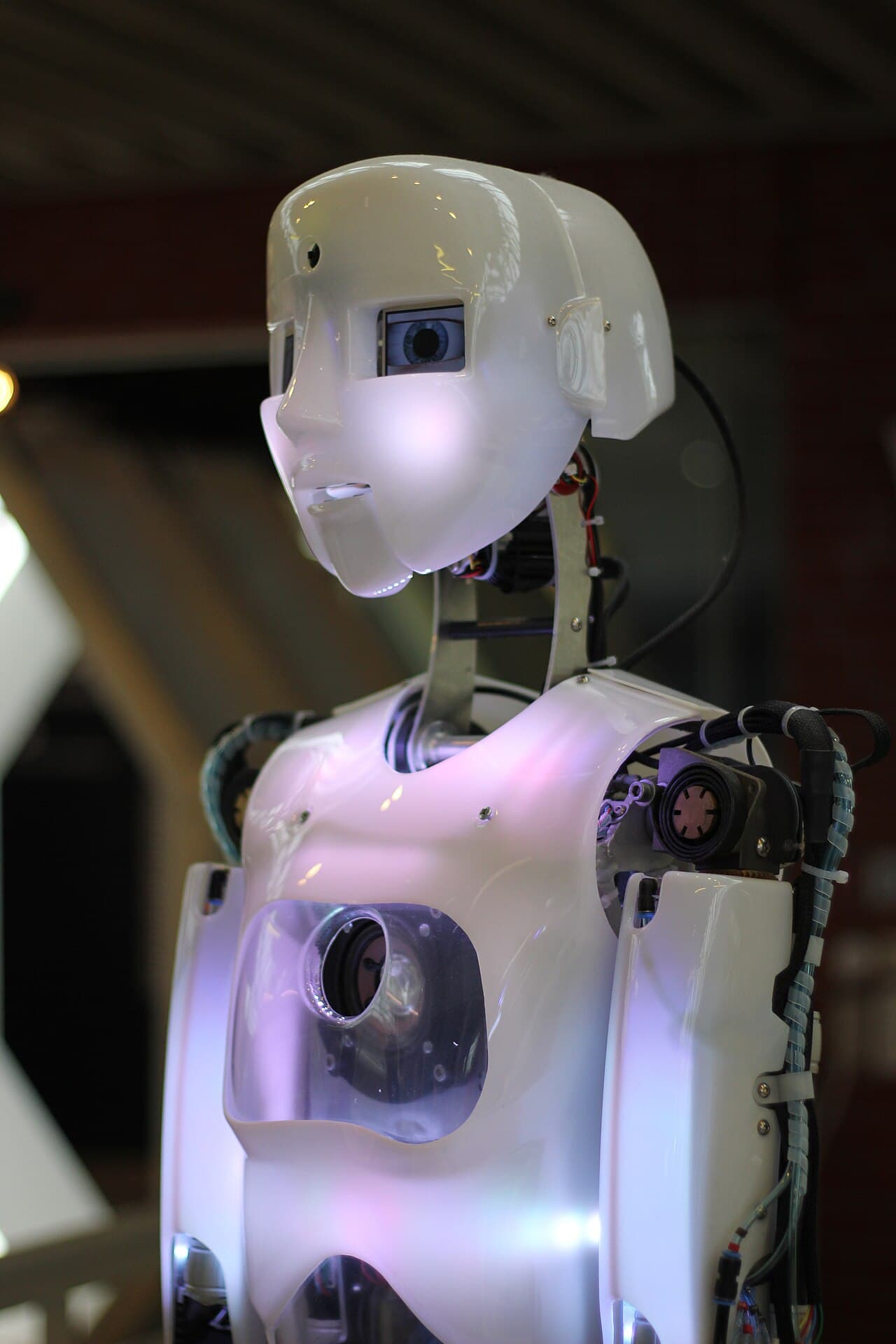
The humanoid robot market has crossed a critical threshold. Multiple research firms now value the sector at between $4 billion and $5 billion in 2026, with roughly 16,000 units deployed in commercial settings. After years of research demos and viral videos, humanoid robots are entering real workplaces and performing real tasks.
From Demo Stage to Production Lines
The shift from demonstration to deployment has been rapid. As recently as 2024, most humanoid robots existed in controlled lab environments or carefully staged trade show appearances. Today, units from Tesla, AgiBot, Unitree, and others are operating in warehouses, automotive assembly plants, and logistics centers.
Tesla's Optimus program has been particularly aggressive in scaling production, leveraging the company's existing manufacturing expertise to drive down per-unit costs. AgiBot, backed by significant Chinese investment, has deployed hundreds of units across factory floors in Asia. Unitree has found traction with more affordable humanoid platforms aimed at lighter-duty applications.
The tasks these robots handle are still relatively structured: picking and placing items, transporting materials between stations, performing repetitive assembly operations, and conducting visual inspections. But the scope of what they can handle is expanding monthly as AI models improve.
Market Growth Projections
Analysts project the humanoid robot market will grow at a compound annual rate between 30% and 39% over the next several years, depending on the research firm. Most forecasts see the market exceeding $10 billion by 2029, with some long-range projections from SNS Insider suggesting the market could reach $251 billion by 2035 under the most optimistic scenarios.
The growth is being driven by three factors. First, manufacturing labor shortages are worsening in every major economy. Second, AI capabilities have reached the point where humanoid robots can operate semi-autonomously in real environments. Third, production costs are declining as manufacturers move from handbuilt prototypes to assembly line production.
The Competitive Landscape Is Crowding
The number of companies developing humanoid robots has exploded. Beyond Tesla, AgiBot, and Unitree, players include Figure AI, Apptronik, 1X Technologies, Fourier Intelligence, and Sanctuary AI. Each is targeting slightly different use cases, but all are converging on the general-purpose humanoid form factor.
This competition is healthy for the market. It drives down prices, accelerates capability improvements, and gives buyers more options. However, it also means the landscape is volatile. Some of these companies will not survive the next consolidation cycle, which creates risk for early adopters who choose a platform that loses support.
What This Means for Robotics Buyers
For companies interested in humanoid robots, the market has reached an inflection point. Units are commercially available, prices are falling, and real-world performance data is accumulating. However, buyers should approach with realistic expectations.
Current humanoid robots excel at structured, repetitive tasks in controlled environments. They are not yet ready to replace human workers in highly variable or dexterous operations. The best strategy for most buyers is to identify specific, well-defined tasks where a humanoid form factor adds value, such as operations in spaces designed for human workers, and pilot from there.
Vendor stability is another consideration. With so many startups in the space, buyers should evaluate the financial backing, production capacity, and long-term viability of any humanoid robot provider before committing to a platform.