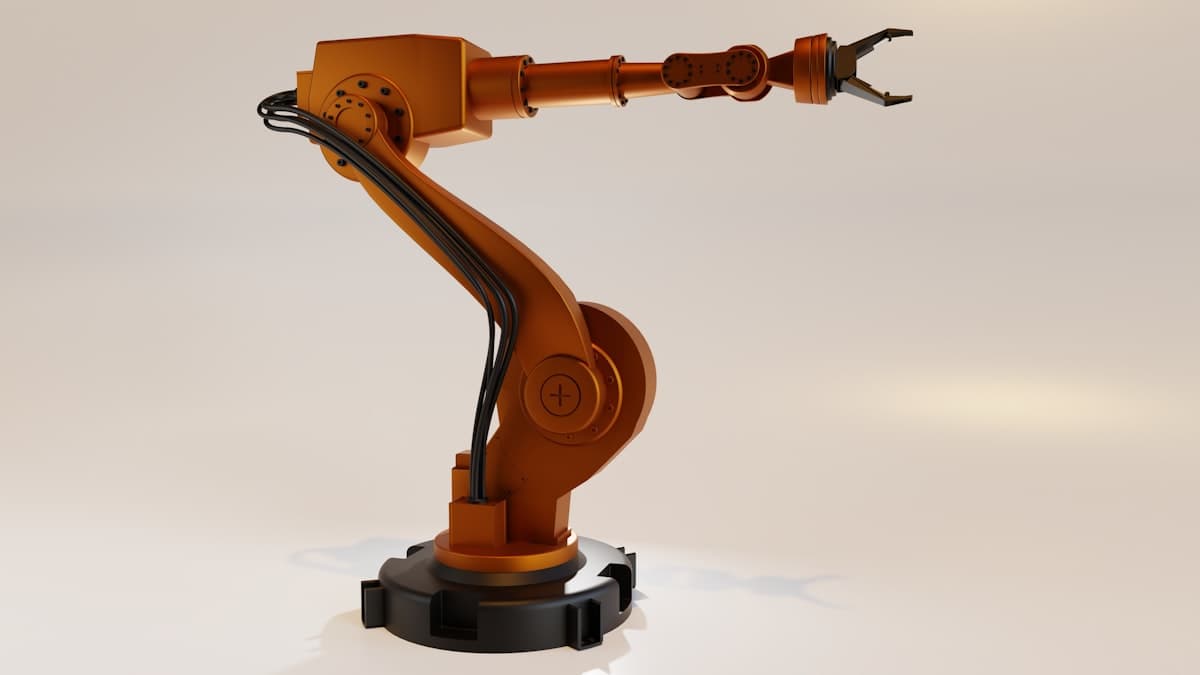
The International Organization for Standardization published ISO 10218-1:2025 and ISO 10218-2:2025 in January 2025, replacing editions that had been in place since 2011. The revisions carry practical consequences for every organization designing, purchasing, or operating industrial robots — and one terminological change that will reshape how the industry talks about human-robot interaction: the formal retirement of the term "cobot."
'Collaborative Applications' Replaces 'Cobot'
The 2011 ISO 10218 standard introduced the concept of collaborative operation, which gave rise to the popular shorthand "cobot" as a label for robots designed to work alongside humans without traditional safety guarding. Over the intervening 14 years, the term became widely used in marketing and procurement conversations, but it also created a misconception: that a robot labeled as a cobot is inherently safe for human-proximate operation.
The 2025 revision corrects this misconception at the standards level. ISO 10218:2025 shifts the framing from robot-level classification to system-level assessment, introducing the term "collaborative applications" to describe the specific combination of robot, end-effector, workpiece, and operating environment that has been evaluated as safe for human collaboration. The robot hardware itself is no longer the unit of safety analysis — the complete application is.
This distinction matters enormously for procurement and integration teams. A robot that is marketed as a cobot is not automatically compliant for any collaborative application. Each deployment must be assessed as a system, with safety verification applied to the specific task, payload, speed, and workspace configuration in which the robot will operate.
Key Changes in the 2025 Edition
Beyond the terminological shift, ISO 10218:2025 introduces several substantive updates:
Functional safety requirements have been updated to align with IEC 62061 and ISO 13849, the current editions of the functional safety standards that govern safety-rated control systems. This alignment reduces ambiguity for system integrators who design the safety-rated control architecture for robot cells.
Cybersecurity requirements are a new addition that reflects the operational reality of robots connected to factory networks, cloud platforms, and remote monitoring services. The 2011 editions were written before industrial cybersecurity was a mainstream concern; the 2025 revision addresses the risk that network-connected robots present if their control systems are compromised.
ANSI/A3 R15.06-2025, the U.S. national standard for industrial robot safety, has been aligned with the revised ISO 10218:2025, ensuring consistency between international and domestic compliance requirements in the North American market.
Implications for Buyers and Integrators
For organizations purchasing robots, the 2025 revision does not immediately invalidate existing installations that were designed and validated under the 2011 standard. However, new installations and significant modifications to existing cells should be assessed against the 2025 requirements. Integration teams should also review vendor documentation to confirm that safety-rated control components are certified to the current functional safety editions referenced in ISO 10218:2025.
The cybersecurity additions are particularly relevant for facilities that have connected robots to enterprise networks for data collection and remote diagnostics. Organizations should request cybersecurity documentation from robot vendors and assess their network architecture against the new standard's requirements.
What This Means for Robot Buyers
Buyers evaluating collaborative robots must understand that the new standard means the safety case is built around the application, not the robot model. When issuing RFQs for collaborative automation cells, specify the ISO 10218:2025 edition in compliance requirements and request application-level risk assessments from integrators. Buyers exploring options from international suppliers, including those available to buy from China, should confirm that supplier documentation addresses both the functional safety and cybersecurity requirements of the 2025 standard.