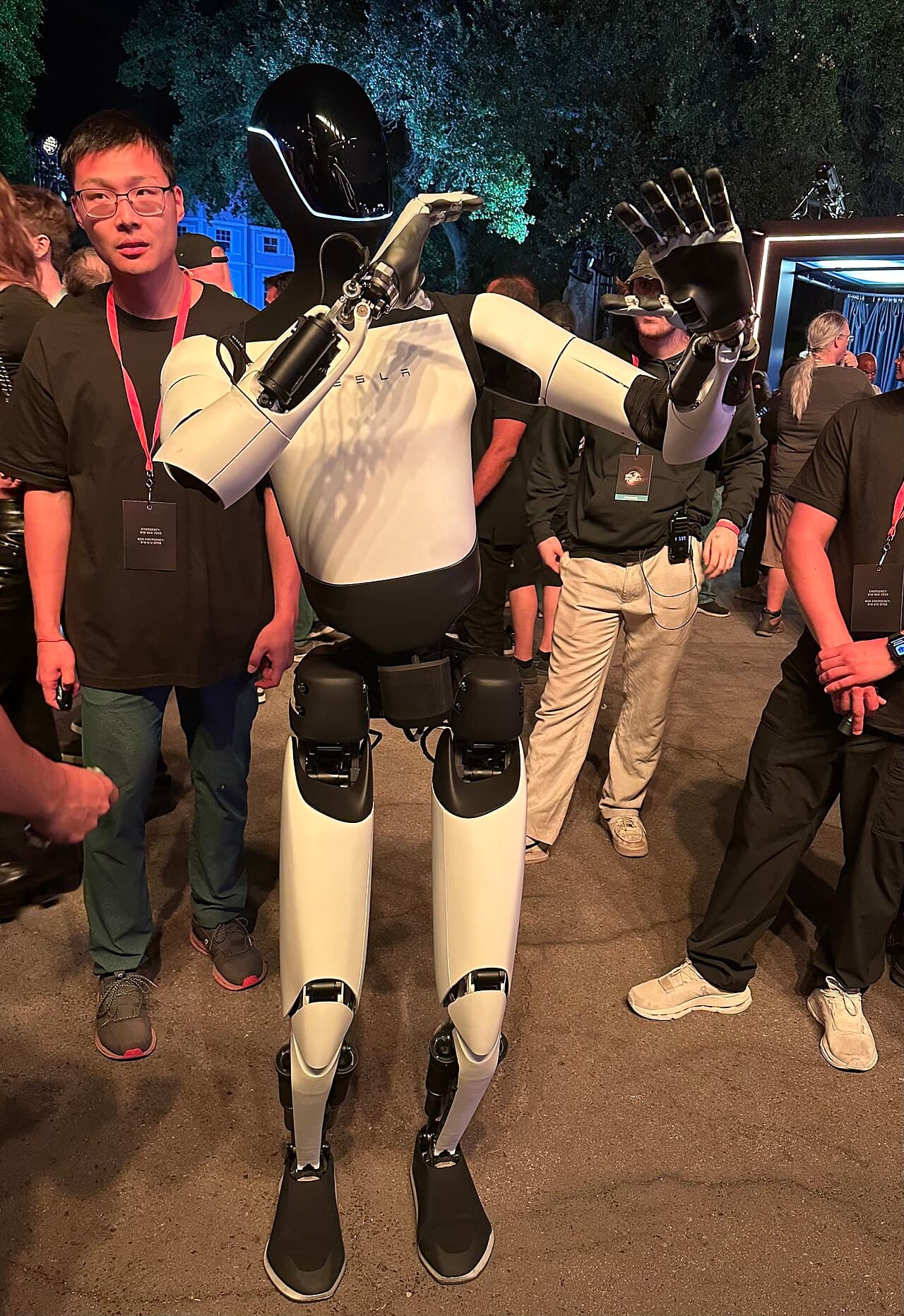
Tesla's humanoid robot program has reached a critical milestone: Optimus Gen 3 is scheduled to enter production in summer 2026, with the next-generation platform featuring a dramatically upgraded hand design that underscores Tesla's focus on dexterous manipulation as the primary bottleneck for general-purpose humanoid deployment.
The 50-Actuator Hand: A Step Change in Dexterity
The headline hardware advancement in Optimus Gen 3 is the hands. Each hand features 25 actuators, for a total of 50 actuators across both hands — a 4.5x increase compared to the 11 actuators per hand in the Gen 2 platform. This density of actuation is designed to enable the fine motor tasks that current humanoid generations struggle with: handling irregularly shaped objects, operating tools designed for human hands, and performing assembly tasks that require precise force modulation.
The hand redesign reflects a broader industry consensus that bipedal locomotion is a largely solved engineering problem, while hand dexterity remains the capability gap that separates demonstration robots from robots that can be productively deployed in real manufacturing and logistics tasks.
Production and Platform Strategy
Tesla is repurposing Model S and Model X production lines at its Fremont, California facility to manufacture Optimus units. This approach leverages existing precision manufacturing infrastructure and Tesla's established supply chain for electric motors, battery cells, and structural components — assets that competitors building humanoid robots from scratch do not have.
Initial production will be directed entirely toward internal Tesla use, deploying Optimus units within Tesla factories for tasks currently performed by human workers. This internal deployment strategy serves a dual purpose: it generates real-world performance data at scale while building the operational track record that enterprise customers will require before purchasing.
Consumer and enterprise sales are targeted for 2027. Tesla has set a long-term price target of $20,000–$30,000 per unit at scale, a figure that, if achieved, would price Optimus significantly below most competing humanoid platforms and potentially below the annual labor cost it replaces in many markets.
Market Context: 90,000 Humanoid Shipments Forecast for 2026
Bank of America analysts forecast approximately 90,000 humanoid robot shipments globally in 2026, rising to 1.2 million units annually by 2030. Tesla's scale in manufacturing and its aggressive pricing ambition position Optimus to capture a meaningful share of that market if Gen 3 production ramps on schedule.
The competitive landscape is intensifying. Chinese manufacturers including ROBOTERA, Unitree, and Agibot are scaling rapidly with state support, while U.S. startups such as Figure and 1X are pursuing enterprise partnerships to fund development. The humanoid category is transitioning from research projects to commercial products faster than most industry observers predicted two years ago.
What This Means for Robot Buyers
For enterprises evaluating humanoid robots for factory or logistics applications, Tesla's Gen 3 roadmap is a significant development to track. The Fremont production ramp and the 2027 commercial availability timeline give procurement teams an 18-month window to assess early internal deployments and gather performance data before making purchasing commitments. Buyers should also compare Optimus against competing platforms from Figure, 1X, and leading Chinese manufacturers to evaluate total cost of ownership against task-specific performance.