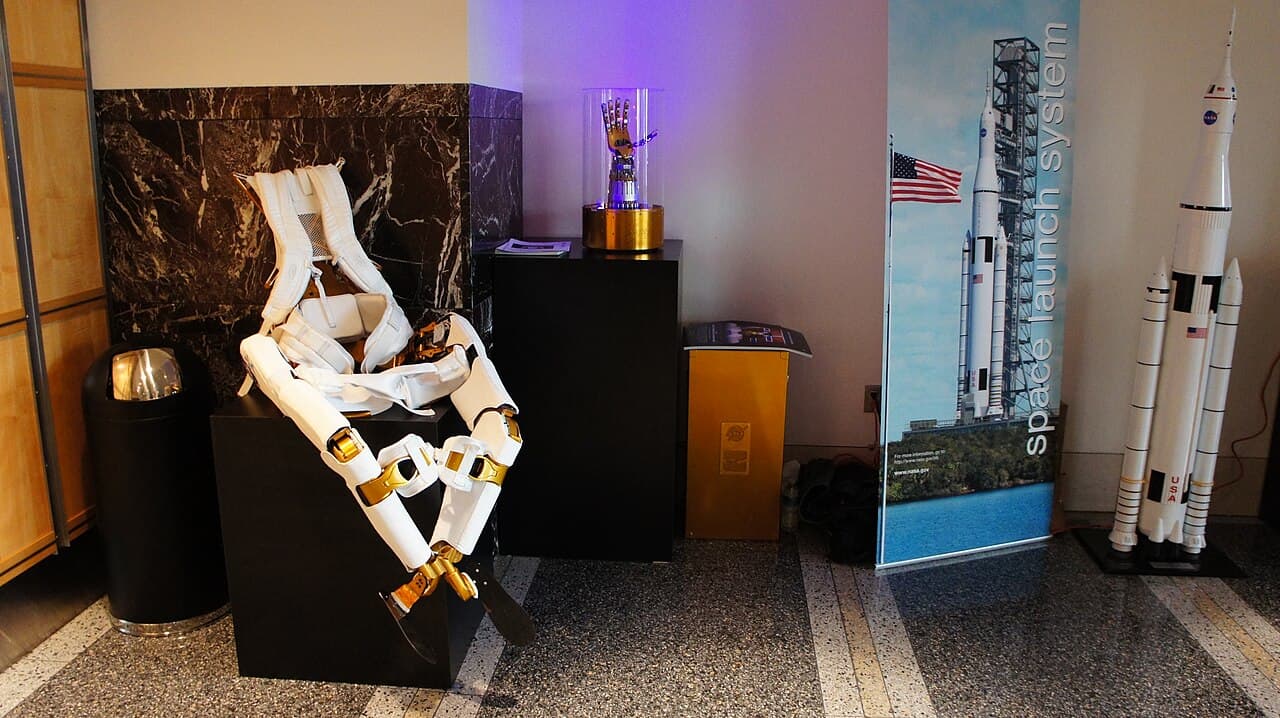
Italian rehabilitation technology company Wearable Robotics, spun out of the Sant'Anna School of Advanced Studies in Pisa, has raised €5 million in a Series A funding round to accelerate international expansion and complete its product portfolio. CDP Venture Capital led the Series A, with SIMEST providing international expansion funding through Italy's Ministry of Foreign Affairs.
The Product: Arm Exoskeleton for Dual Markets
Wearable Robotics has developed an upper-limb exoskeleton that targets two distinct markets: industrial worker support (reducing fatigue and injury in overhead or repetitive arm tasks) and clinical rehabilitation (assisting post-stroke or neurological injury patients in regaining arm function).
The dual-market positioning is increasingly common in the exoskeleton sector — the same hardware platform serves both occupational health and medical rehabilitation, with different software configurations and regulatory pathways.
Industrial Exoskeleton Market Context
The industrial exoskeleton market was valued at $1.2 billion in 2025 and is growing rapidly, driven by manufacturing and logistics companies seeking to reduce musculoskeletal injury costs. Assembly line workers performing overhead tasks are the primary target — shoulder and neck injuries from sustained arm elevation represent a significant workers' comp burden.
Key competitors in the industrial space include Ekso Bionics (EksoVest), SuitX (now owned by Ottobock), and Hyundai's VEX exoskeleton. The market is still early: adoption rates remain low outside of major automotive manufacturers (Ford, BMW, Audi have deployed exoskeleton programs).
Rehabilitation Market Context
The rehabilitation exoskeleton market is more mature on the regulatory side — several arm and gait exoskeletons have received FDA clearance. Clinical evidence for improved rehabilitation outcomes with exoskeleton-assisted therapy has been building for a decade. However, hospital procurement is slow and reimbursement pathways remain inconsistent.
Wearable Robotics' Sant'Anna pedigree (one of Europe's leading rehabilitation engineering institutions) strengthens its clinical credibility.
Italy's Growing Robotics Ecosystem
The funding reflects Italy's growing role in the European robotics sector. Sant'Anna School of Advanced Studies has been a consistent source of commercially relevant robotics research, with several successful spinouts over the past decade. The Italian government's support through SIMEST signals national-level interest in building an industrial robotics export capability.
What This Means for Robot Buyers
For manufacturing buyers considering ergonomic risk reduction, exoskeletons represent an alternative or complement to full automation for tasks where complete robot substitution isn't viable. Industrial arm exoskeletons from established suppliers (Ekso, SuitX) are commercially available now; Wearable Robotics will be worth monitoring as it expands internationally. For related automation solutions, see the collaborative robot category for arm-assistance alternatives.