Construction Robot from China — Top Manufacturers & Suppliers
Construction robots are emerging as a transformative force in the building industry, addressing chronic labor shortages, improving worker safety, and delivering higher quality finishes. China is at the forefront of construction robotics development, driven by companies like Bright Dream Robotics (Country Garden) and WinSun.
These robots handle tasks from wall plastering and painting to bricklaying, 3D concrete printing, and site surveying. By automating the most physically demanding and repetitive construction tasks, they reduce construction timelines by 30-50% while improving quality consistency.
Construction robot prices range from $15,000 for painting robots to $200,000+ for 3D concrete printing systems. As China's construction industry faces growing labor shortages, adoption of construction robots is accelerating rapidly.
Top Construction Robot Products
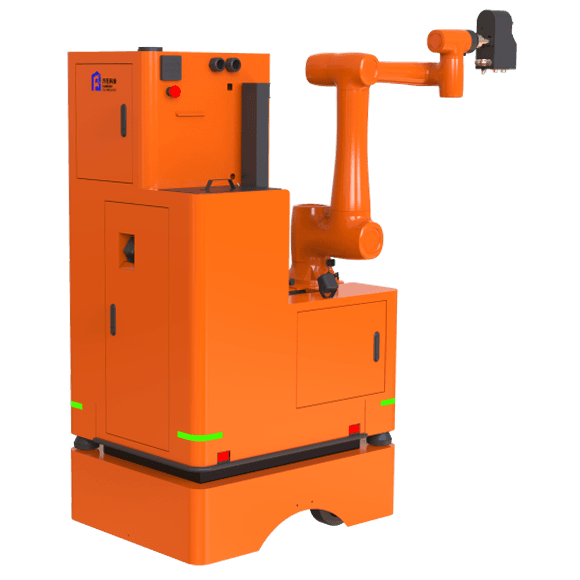
Bozhilin Wall Painting Robot
Bright Dream Robotics (Bozhilin)
$25,000 - $45,000
work_area: 3.0m height x 1.2m width per passspeed: 60-100 sq meters per houraccuracy: ±2mm coating uniformity
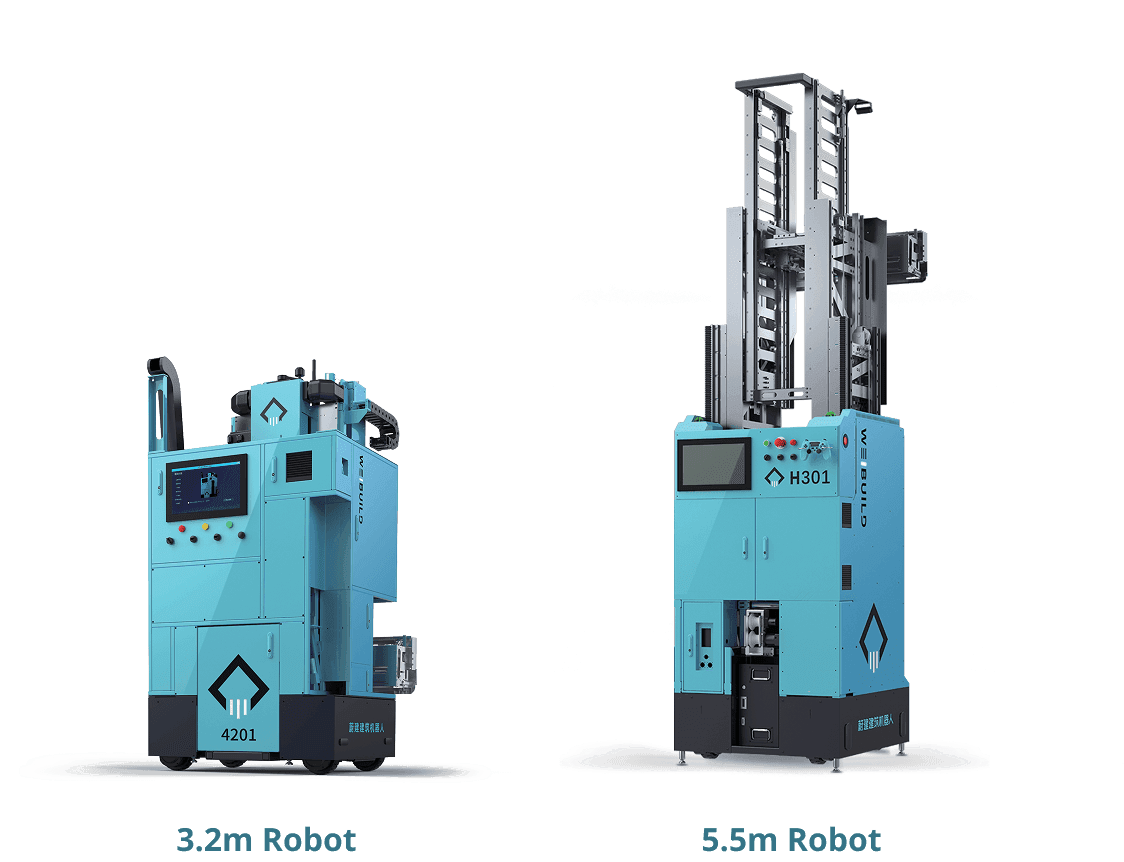
Bozhilin Plastering Robot
Bright Dream Robotics (Bozhilin)
$35,000 - $60,000
work_area: 3.5m height x 1.0m width per passspeed: 40-60 sq meters per houraccuracy: ±1.5mm flatness
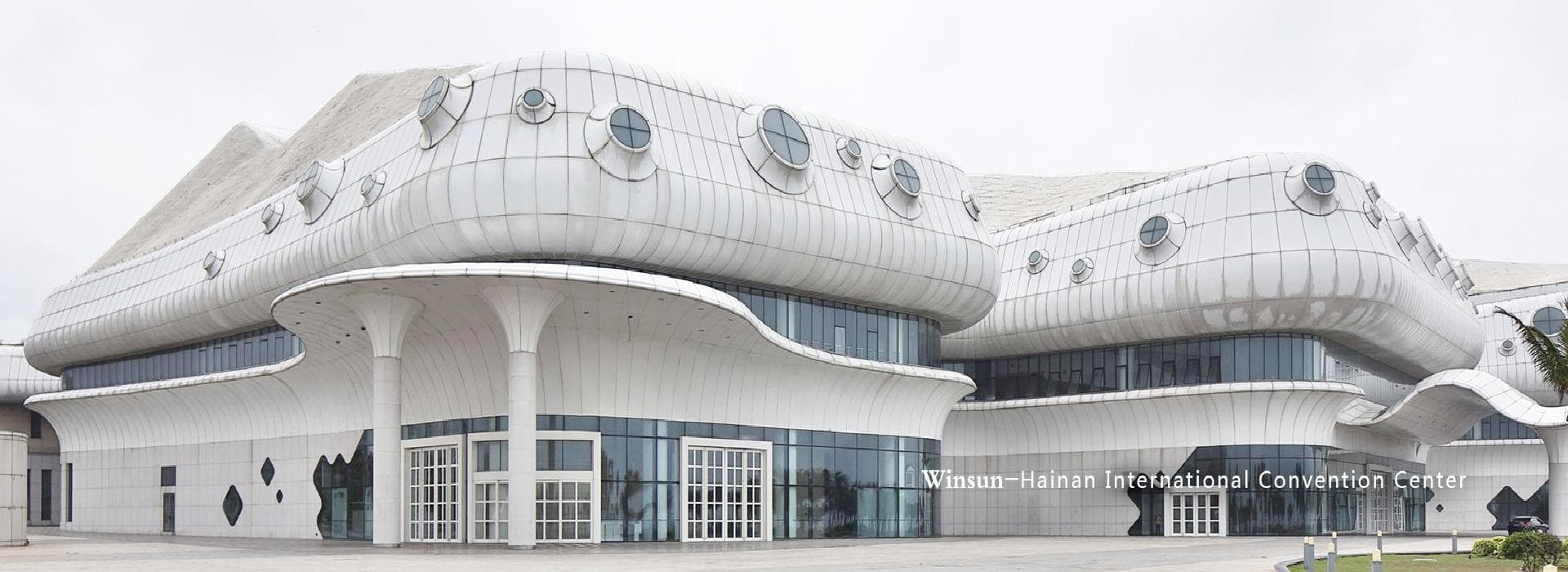
WinSun 3D Construction Printer
WinSun (Yingchuang)
$150,000 - $500,000
work_area: 10m x 10m x 6.6m build volumespeed: 150-300 sq meters per dayaccuracy: ±5mm dimensional tolerance
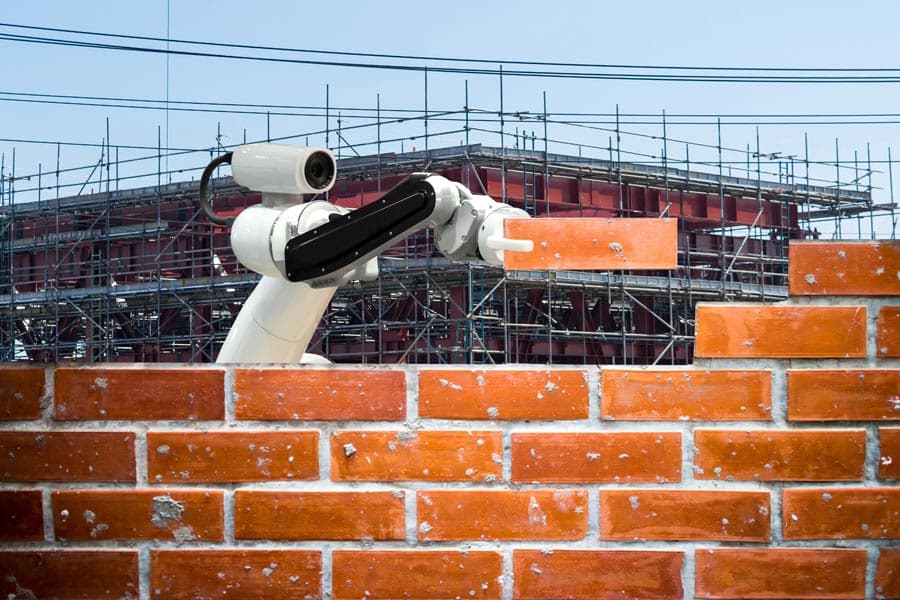
Bozhilin Bricklaying Robot
Bright Dream Robotics (Bozhilin)
$40,000 - $75,000
work_area: 3.0m height x 6.0m length per setupspeed: 200-350 bricks per houraccuracy: ±1mm brick placement
Topband Intelligent Surveying Robot
Topband (Shenzhen Topband)
$20,000 - $40,000
work_area: 500m scanning radiusspeed: 2,000 sq meters surveyed per houraccuracy: ±2mm 3D point accuracy
Construction Robot by Application
Frequently Asked Questions
How much do construction robots cost?
Construction robot prices vary widely by function. Painting and plastering robots from Chinese manufacturers like Bozhilin start at $25,000-$60,000. Bricklaying robots cost $40,000-$75,000 for a complete system. Surveying and inspection robots range from $20,000-$40,000. Large-scale 3D construction printers from WinSun start at $150,000 and can exceed $500,000 for full gantry systems. These prices are 30-50% lower than equivalent European or American systems. The total cost of ownership should include operator training ($2,000-$5,000), maintenance ($3,000-$8,000/year), and material consumables.
What types of construction robots are available from Chinese manufacturers?
Chinese manufacturers produce a comprehensive range of construction robots. Bright Dream Robotics (Bozhilin), backed by Country Garden, offers over 50 types including wall plastering, painting, bricklaying, tiling, and floor finishing robots. WinSun specializes in large-format 3D concrete printing systems for building entire structures. Companies like Topband develop autonomous surveying and site monitoring robots. Sany Robotics is automating heavy construction equipment like concrete pumps and excavators. Chinese firms lead globally in deploying construction robots at scale, with Bozhilin alone deploying robots across hundreds of active building sites.
Can construction robots replace human workers completely?
Construction robots currently augment rather than fully replace human workers. Repetitive, physically demanding tasks like wall plastering, painting, and bricklaying are well suited for automation — robots can handle 60-80% of the work in these areas. However, complex tasks like electrical wiring, plumbing, detailed finishing, and work in irregular spaces still require skilled human labor. A typical deployment model has robots performing bulk work while human crews handle edges, corners, and quality inspection. The technology is evolving rapidly, and Chinese companies like Bozhilin are actively developing robots to cover more construction phases, but full site automation remains 10-15 years away.
How do 3D-printed buildings compare to traditional construction?
3D-printed buildings from companies like WinSun offer several advantages: construction speed (a single-story house wall structure in under 24 hours), 30-60% labor cost reduction, less material waste (up to 60% less), and the ability to create complex architectural geometries without additional cost. WinSun's proprietary concrete mix incorporates recycled construction waste, improving sustainability. However, 3D-printed buildings currently face limitations in multi-story heights (typically 3-5 floors), require separate installation of rebar reinforcement, and face varying building code acceptance across different countries. Compressive strength of printed concrete meets or exceeds traditional poured concrete at 40-60 MPa.
What is the ROI of construction robots?
Construction robots typically deliver ROI within 12-24 months depending on utilization. A $40,000 plastering robot can cover 40-60 square meters per hour versus 8-12 square meters for a skilled manual plasterer, effectively replacing 4-5 workers. With average construction labor costs rising 10-15% annually in China, the savings compound quickly. Painting robots achieve similar productivity gains at 60-100 square meters per hour. Additional ROI factors include reduced material waste (10-20% savings), improved quality consistency (fewer rework callbacks), enhanced worker safety (fewer falls and repetitive strain injuries), and the ability to maintain construction schedules despite labor shortages.
Are construction robots safe to use on active building sites?
Modern construction robots incorporate multiple safety systems designed for active building sites. Standard features include LiDAR and ultrasonic obstacle detection, emergency stop buttons, defined safety zones with motion limiters, and audible/visual warnings during operation. Chinese manufacturers like Bozhilin design their robots specifically for the congested, dynamic environment of real construction sites — not clean factory floors. Operators receive 1-2 weeks of training, and robots typically require a designated safety perimeter of 2-5 meters. Construction site deployment also requires compliance with local workplace safety regulations. Injury rates on robot-assisted sites have been reported to be 50-70% lower than purely manual construction sites.
How do I import construction robots from China?
Importing construction robots from China involves several steps. First, request detailed specifications and compliance documentation from the manufacturer — most Chinese construction robot companies like Bozhilin and WinSun have dedicated export departments. The robots typically require CE marking for European markets or UL listing for North America. Shipping costs for large construction robots range from $3,000-$15,000 depending on size and destination, usually via sea freight in standard containers. Import duties vary by country (typically 0-5% for industrial robots). Many Chinese manufacturers offer FOB or CIF pricing and can recommend logistics partners. Plan for 4-8 weeks shipping time plus 1-2 weeks for customs clearance. After-sales support including remote diagnostics, spare parts supply, and on-site installation assistance is available from major manufacturers.
Related Articles
Related Categories
Get a Free Quote
Fill out the form below and we'll connect you with verified manufacturers within 24 hours.