Hotel Service Robot from China — Top Manufacturers & Suppliers
Hotel service robots go beyond simple delivery to provide comprehensive guest services including reception, concierge, check-in assistance, and information guidance. Chinese manufacturers lead the global hotel robot market, with their products deployed in major hotel chains worldwide.
Unlike basic delivery robots, hotel service robots feature large interactive displays, multilingual natural language processing, facial recognition, and integration with hotel management systems. Companies like Yunji Technology, Pangolin Robot, and Reeman offer robots purpose-built for the hospitality industry.
Prices range from $8,000 for basic lobby guide robots to $30,000+ for full-featured concierge systems with check-in capabilities. Hotels typically deploy multiple robot types — reception, delivery, and cleaning — for a comprehensive robotic service ecosystem.
Top Hotel Service Robot Products

Yunji Run
Yunji Technology
$8,000 - $14,000
weight: 35kgbattery: 12 hoursscreen: 10.1-inch touchscreen
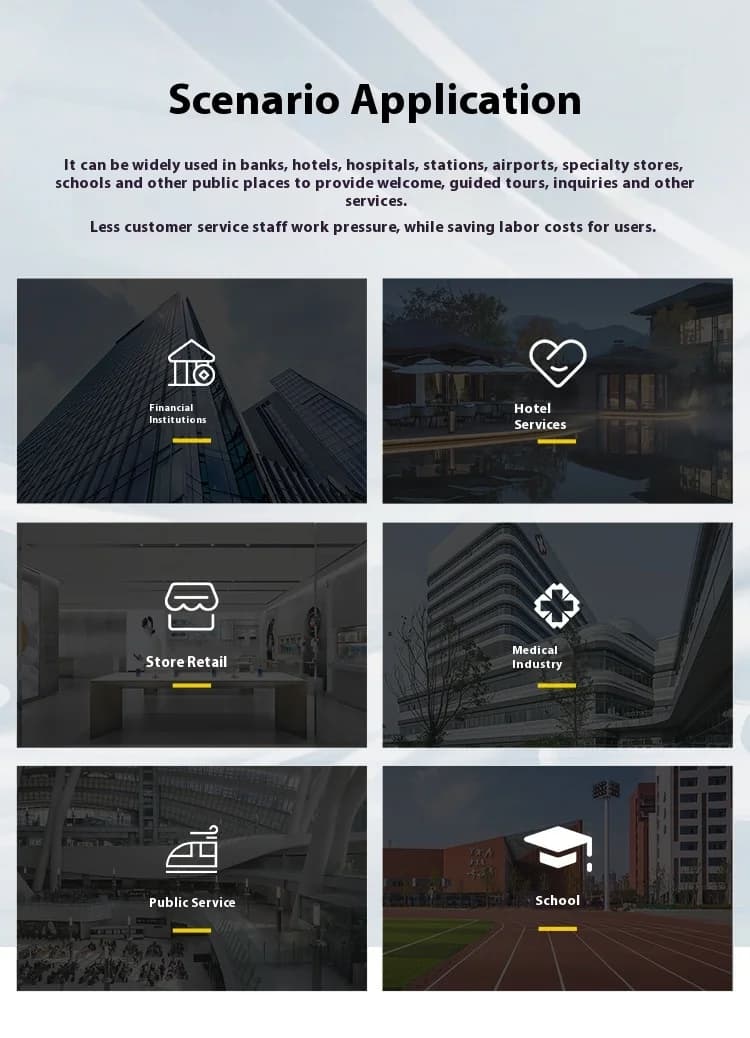
Pangolin Reception Robot
Suzhou Pangolin Robot
$12,000 - $20,000
weight: 55kgbattery: 10 hoursscreen: 21.5-inch HD touchscreen
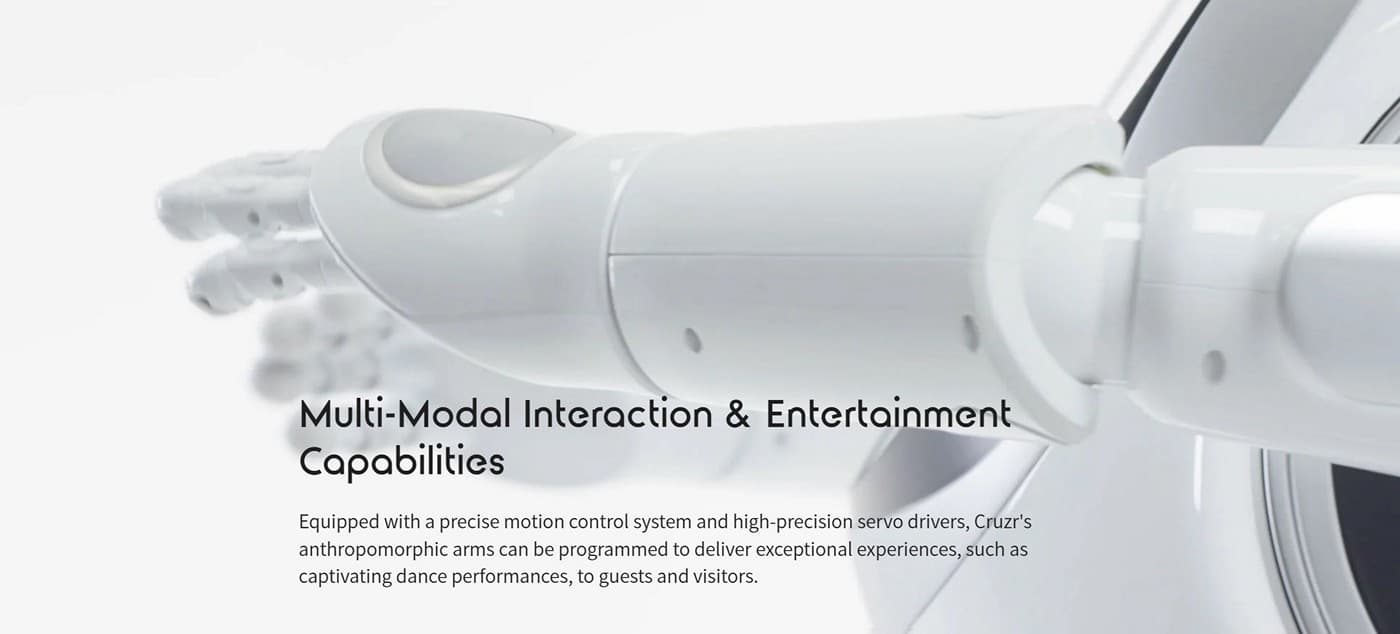
UBTECH Cruzr
UBTECH Robotics
$18,000 - $28,000
weight: 48kgbattery: 8 hoursscreen: 10.1-inch chest-mounted display
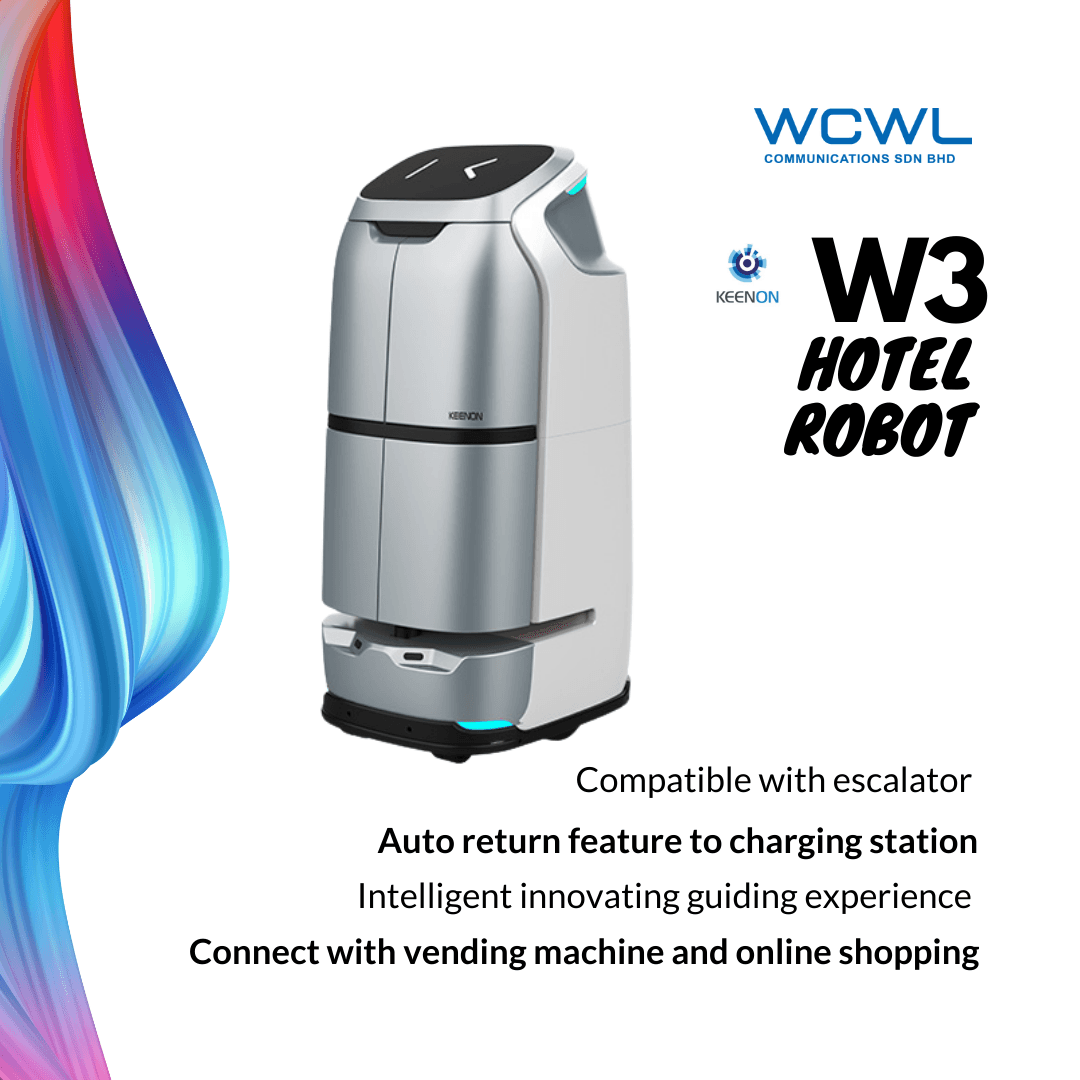
Keenon Hotel Butler
Keenon Robotics
$10,000 - $16,000
weight: 42kgbattery: 14 hoursscreen: 10.1-inch touchscreen
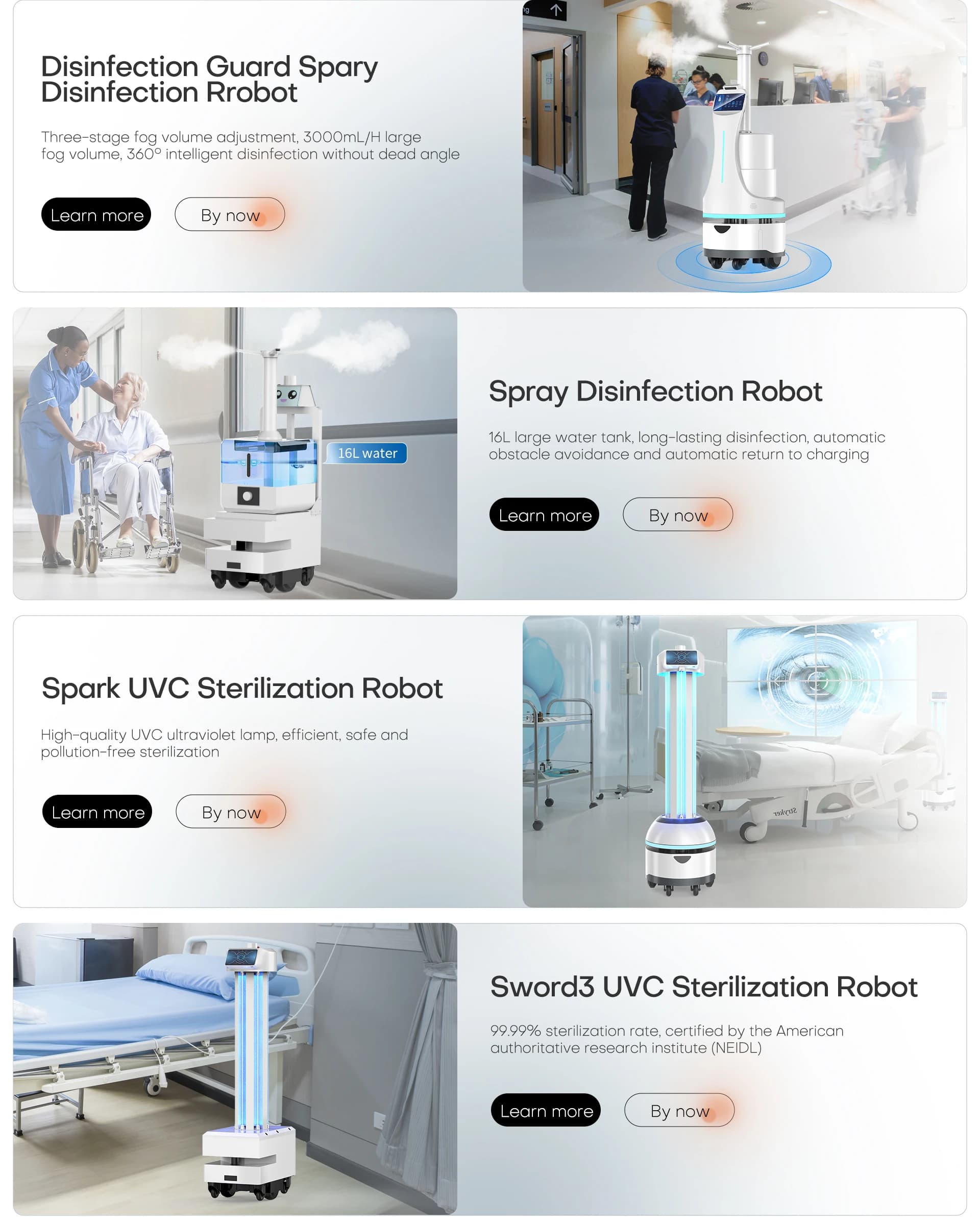
Reeman AI Concierge
Reeman Technology
$6,000 - $12,000
weight: 38kgbattery: 10 hoursscreen: 13.3-inch touchscreen
Hotel Service Robot by Application
Frequently Asked Questions
How much does a hotel service robot cost?
Hotel service robots range from $6,000 to $28,000 depending on functionality. Basic delivery-focused models like the Yunji Run cost $8,000-$14,000 and handle amenity delivery and room service. Reception robots with check-in capabilities like the Pangolin Reception Robot range from $12,000-$20,000. Premium humanoid concierge robots like the UBTECH Cruzr cost $18,000-$28,000 and offer advanced guest interaction, face recognition, and VIP identification. Most Chinese manufacturers offer leasing options from $400-$900 per month, and bulk fleet purchases of 5+ units typically receive 10-20% discounts.
What types of hotel service robots are available?
Hotel service robots fall into three main categories. Delivery robots (like Yunji Run and Keenon Hotel Butler) autonomously transport amenities, room service, and packages to guest rooms via elevator integration. Reception robots (like Pangolin Reception Robot and Reeman AI Concierge) handle self-service check-in, wayfinding, and guest information at the front desk or lobby. Humanoid concierge robots (like UBTECH Cruzr) provide personalized greetings, escort services, and interactive guest engagement with human-like gestures and conversation. Many hotels deploy a combination of all three types for comprehensive automation.
Can hotel service robots integrate with existing hotel management systems?
Yes, most modern hotel service robots offer integration with popular Property Management Systems (PMS) including Opera, Hotelogix, and Cloudbeds through REST APIs. This integration enables automated task dispatch — for example, when a guest requests extra towels through the PMS or a mobile app, the system automatically assigns a delivery robot. Yunji Technology and Keenon Robotics provide pre-built integrations with major PMS platforms, while others offer open APIs for custom integration. Elevator integration typically requires coordination with the elevator manufacturer to install an IoT module, which costs an additional $2,000-$5,000 per elevator.
How do hotel service robots navigate between floors and through doors?
Hotel service robots use LiDAR SLAM (Simultaneous Localization and Mapping) combined with depth cameras to navigate autonomously through corridors and avoid obstacles. For multi-floor operation, robots communicate with elevators via IoT modules or cloud APIs — the robot calls the elevator, enters, selects the floor, and exits autonomously. Automatic door integration works through Bluetooth or Wi-Fi signals that trigger door controllers as the robot approaches. Initial setup requires mapping each floor (taking 1-2 hours per floor), after which the robot navigates with centimeter-level accuracy. Leading brands like Keenon and Yunji support integration with most major elevator brands including OTIS, Schindler, ThyssenKrupp, and Mitsubishi.
What is the ROI of deploying hotel service robots?
Hotels typically achieve ROI on service robots within 8-18 months. A single delivery robot handling 80-150 daily deliveries replaces or supplements 1-2 full-time staff members, saving $20,000-$40,000 annually in labor costs. Reception robots handling self-service check-in can reduce front desk staffing needs by 20-30% during off-peak hours. Beyond direct labor savings, hotels report a 15-25% increase in guest satisfaction scores due to faster response times, 24/7 availability, and the novelty factor. Guest review data from hotels using Yunji robots shows an average 0.3-point increase in online ratings. Operating costs are minimal at approximately $2-3 per day in electricity and $500-$1,000 annually in maintenance.
Are hotel service robots suitable for small and boutique hotels?
Yes, hotel service robots are increasingly accessible for small and boutique properties. Entry-level models like the Reeman AI Concierge start at $6,000, and leasing options from $400/month make adoption feasible without large upfront investment. For boutique hotels with 30-80 rooms, a single multi-purpose robot can handle lobby concierge duties during the day and room deliveries in the evening. Compact models navigate corridors as narrow as 80cm and can operate on a single floor without elevator integration. Customizable appearance panels allow boutique hotels to match the robot to their unique brand aesthetic. Small hotels typically see the strongest ROI from late-night and early-morning automation when staffing is most expensive.
How do guests typically react to hotel service robots?
Guest reception of hotel service robots is overwhelmingly positive. Industry surveys show that 78% of hotel guests rate robot interactions as enjoyable, and 65% say they would prefer a hotel with robot service over one without. Younger travelers (18-35) are particularly enthusiastic, with many sharing robot interactions on social media — providing free marketing exposure. Common guest concerns include privacy (addressed by robots with no persistent camera recording), reliability (modern robots have 98%+ delivery success rates), and language barriers (solved by multi-language support in 10-20 languages). Hotels report that the novelty effect of robots generates significant word-of-mouth referrals and positive online reviews, with many properties leveraging robots as a differentiating brand feature.
Related Articles
Related Categories
Get a Free Quote
Fill out the form below and we'll connect you with verified manufacturers within 24 hours.