Medical Robot from China — Top Manufacturers & Suppliers
Medical robots are revolutionizing healthcare delivery across surgery, rehabilitation, pharmacy automation, and hospital logistics. China's medical robotics industry has grown rapidly, with domestic manufacturers now producing surgical robots, rehabilitation exoskeletons, and pharmacy automation systems that meet international quality standards.
Key players include Tinavi Medical (orthopedic surgical robots), MicroPort MedBot (laparoscopic surgical robots), and Fourier Intelligence (rehabilitation exoskeletons). These companies are breaking the monopoly of Western surgical robot manufacturers while offering solutions at significantly lower price points.
Medical robot prices range from $20,000 for pharmacy dispensing robots to $500,000+ for advanced surgical systems. While still significant investments, Chinese medical robots typically cost 40-60% less than comparable Western systems, making advanced robotic healthcare more accessible for hospitals worldwide.
Top Medical Robot Products
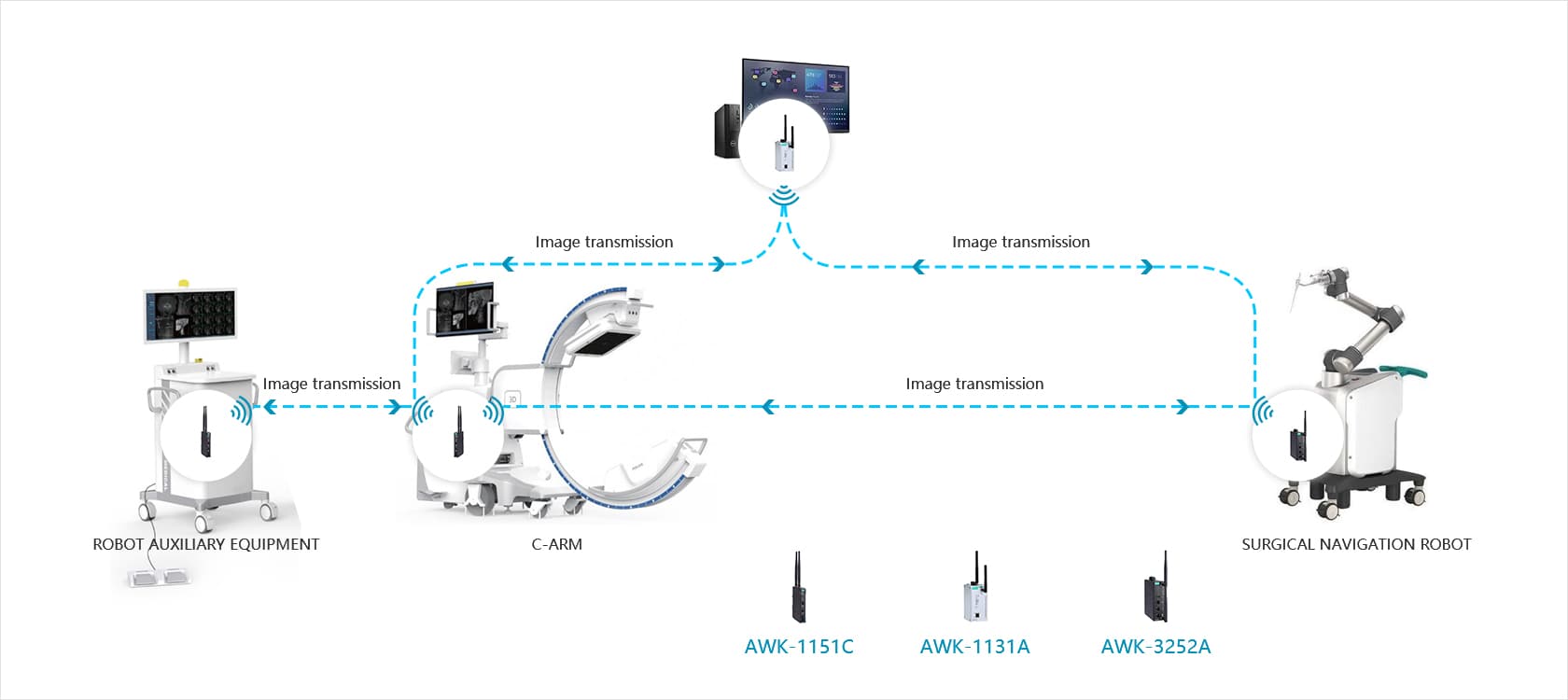
TiRobot Orthopedic Surgical Robot
Tinavi Medical Technologies
$350,000 - $500,000
weight: 850kg (system)precision: Sub-millimeter (<0.8mm)DOF: 6-axis robotic arm
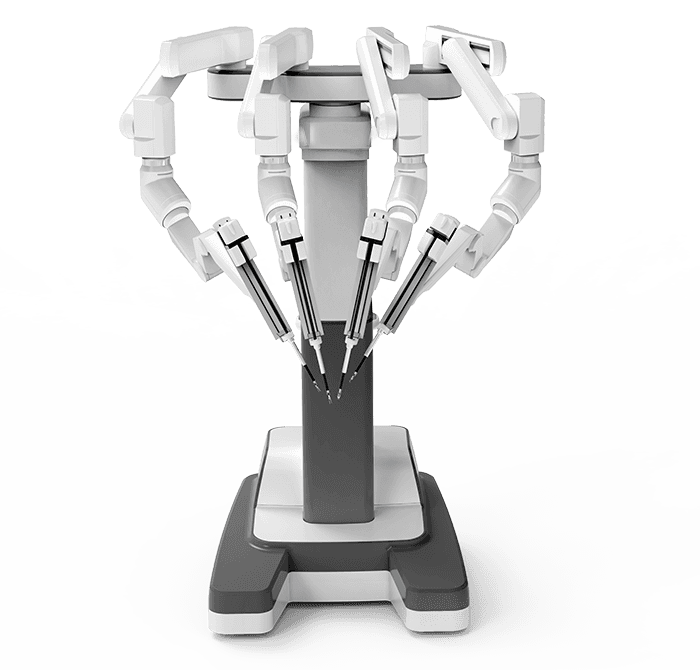
Toumai Laparoscopic Surgical Robot
MicroPort MedBot
$400,000 - $600,000
weight: 1,200kg (system)precision: <0.5mm tip accuracyDOF: 7-DOF articulated instruments
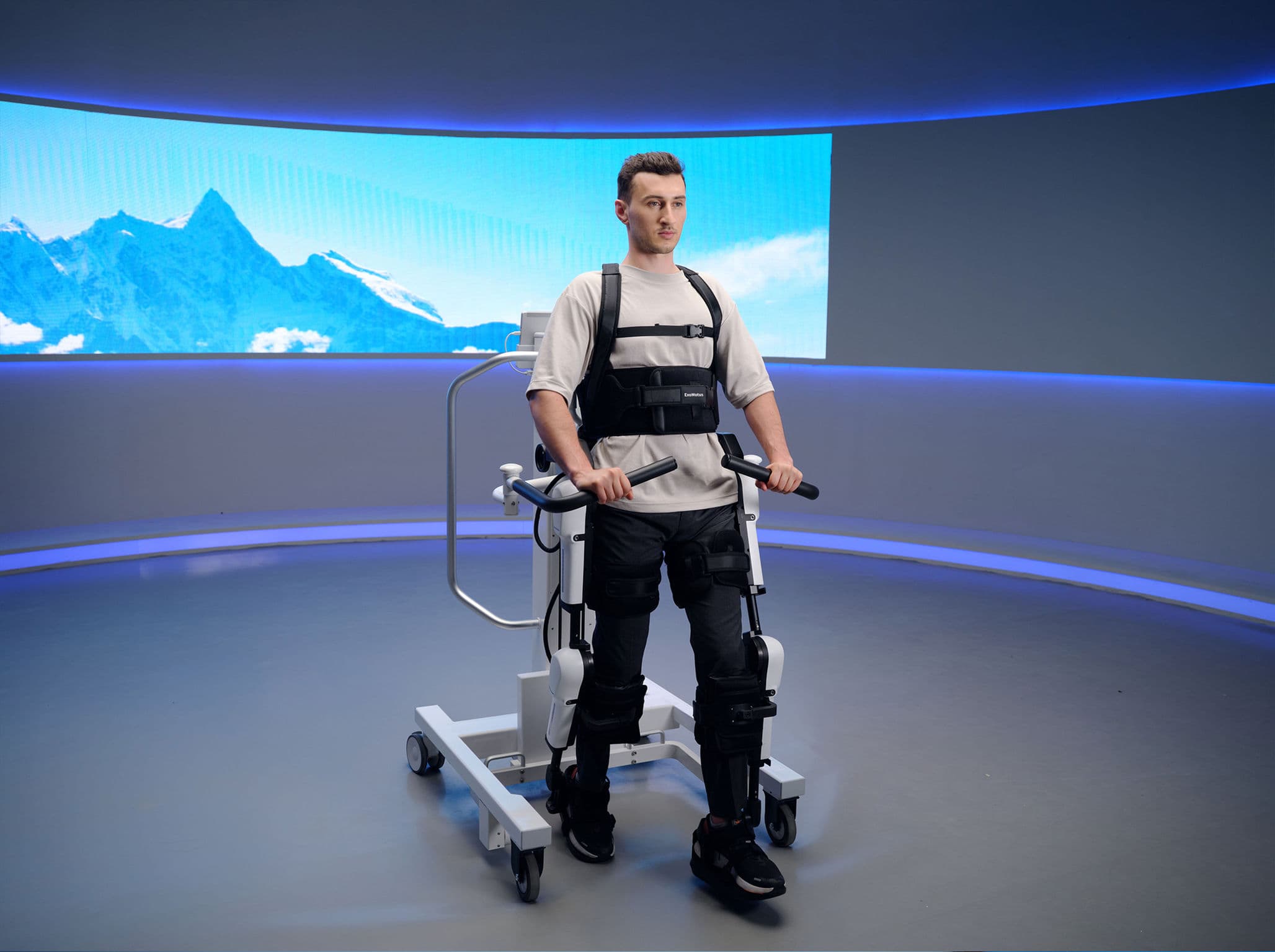
ExoMotus M4 Rehabilitation Exoskeleton
Fourier Intelligence
$80,000 - $150,000
weight: 23kg (device)precision: 0.1-degree joint angle resolutionDOF: 12 (hip, knee, ankle bilateral)
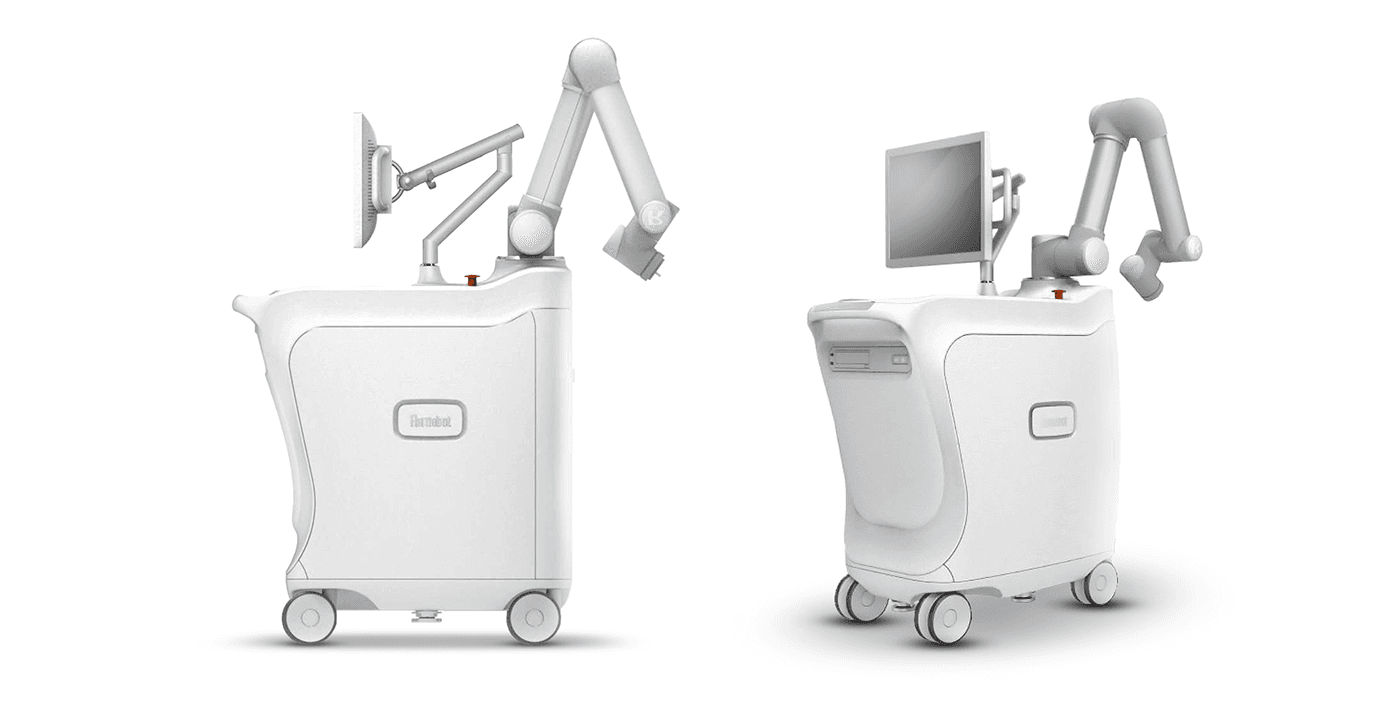
Remebot Neurosurgical Navigation Robot
Remebot (Beijing Baihui Weikang)
$250,000 - $400,000
weight: 350kgprecision: <1mm (stereotactic accuracy)DOF: 6-axis robotic arm
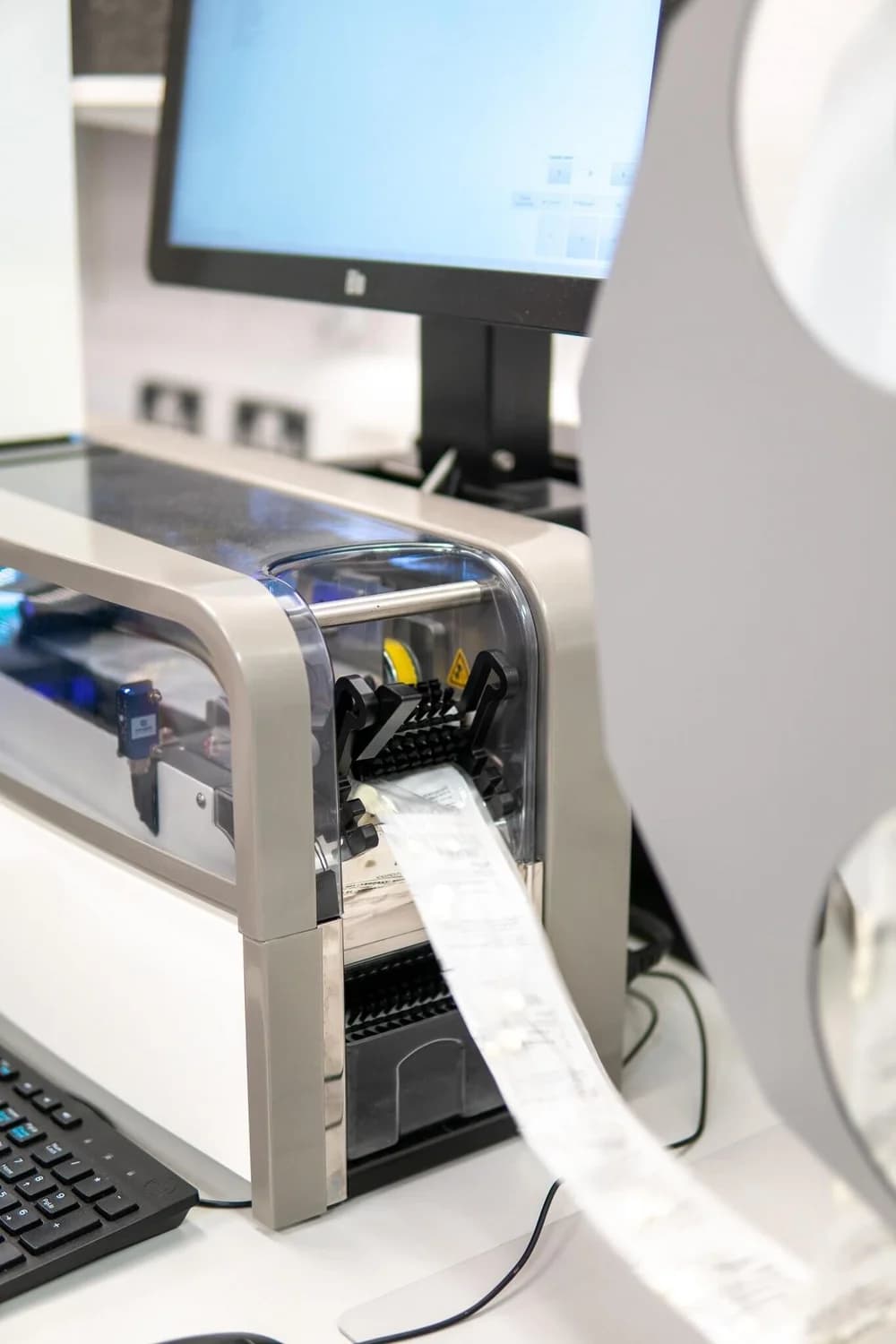
Siasun AIVA Pharmacy Automation System
Siasun Robot & Automation
$120,000 - $250,000
weight: 1,500kg (system)precision: ±0.05mm dispensing accuracyDOF: 6-axis dispensing arm
Medical Robot by Application
Frequently Asked Questions
How much does a surgical robot system cost from Chinese manufacturers?
Chinese surgical robot systems range from $200,000 to $600,000 depending on the type and complexity. Neurosurgical navigation robots like the Remebot cost $250,000-$400,000. Orthopedic surgical robots such as Tinavi's TiRobot are priced at $350,000-$500,000. Multi-arm laparoscopic systems like MicroPort's Toumai range from $400,000-$600,000 — still 40-60% less than the Intuitive da Vinci system which typically costs $1.5-$2.5 million. Additional costs include annual maintenance contracts ($20,000-$50,000/year), disposable instruments ($500-$2,000 per procedure), and staff training programs ($10,000-$30,000). Leasing and revenue-sharing models are increasingly available, reducing upfront capital requirements for hospitals.
What certifications do Chinese medical robots need for international markets?
Chinese medical robots require different certifications depending on the target market. For domestic sale in China, NMPA (National Medical Products Administration) registration is mandatory — Class II for rehabilitation devices and Class III for surgical robots. For the European market, CE marking under the Medical Device Regulation (MDR 2017/745) is required, which involves rigorous clinical evaluation and conformity assessment by a Notified Body. For the US market, FDA 510(k) clearance or Premarket Approval (PMA) is needed depending on the device classification. Additional certifications include ISO 13485 (quality management), IEC 60601 (electrical safety), and ISO 14971 (risk management). Leading Chinese manufacturers like Tinavi, MicroPort, and Fourier Intelligence have obtained multiple international certifications to facilitate global market access.
How do rehabilitation robots help patients recover from stroke?
Rehabilitation robots like the Fourier Intelligence ExoMotus exoskeleton assist stroke patients through repetitive, high-intensity gait training that promotes neuroplasticity — the brain's ability to rewire neural pathways. The robot provides adjustable levels of assistance, starting with near-full support for severely impaired patients and progressively reducing assistance as the patient's strength and coordination improve (assist-as-needed therapy). Clinical studies show that robot-assisted rehabilitation enables 2-3 times more repetitions per session compared to conventional physiotherapy, leading to faster motor recovery. Real-time gait analysis provides objective metrics on stride length, symmetry, and joint angles, allowing therapists to precisely track progress and adjust treatment protocols. Rehabilitation exoskeletons typically cost $80,000-$150,000, and a single device can serve 6-10 patients per day in a rehabilitation center.
What types of medical robots are manufactured in China?
China manufactures a comprehensive range of medical robots spanning five main categories. Surgical robots include orthopedic systems (Tinavi TiRobot), laparoscopic platforms (MicroPort Toumai), and neurosurgical navigation robots (Remebot). Rehabilitation robots include lower-limb exoskeletons (Fourier ExoMotus), upper-limb training devices (Fourier ArmMotus), and treadmill-based gait trainers. Pharmacy automation robots handle IV compounding, drug dispensing, and prescription fulfillment (Siasun AIVA). Hospital logistics robots autonomously transport medications, lab specimens, meals, and linens between departments (UBTECH, Keenon). Healthcare service robots perform temperature screening, disinfection, patient guidance, and telemedicine functions. The Chinese medical robotics market reached approximately $10 billion in 2024 and is growing at over 25% annually, driven by government healthcare reform policies and an aging population.
Are Chinese surgical robots as precise and safe as imported systems?
Yes, Chinese surgical robots have demonstrated clinical precision and safety comparable to established international systems. Tinavi's TiRobot achieves sub-millimeter accuracy (<0.8mm) for orthopedic screw placement, comparable to the Mazor X system. MicroPort's Toumai features 7-DOF instruments with tremor filtration matching the dexterity of the da Vinci system. These Chinese systems undergo rigorous clinical trials — the TiRobot completed multi-center randomized controlled trials across 20+ hospitals before receiving NMPA Class III approval. Key safety features include real-time position monitoring, force-limiting mechanisms, emergency stop systems, and redundant sensor arrays. However, Chinese systems currently have shorter track records and smaller global installation bases compared to Intuitive Surgical's da Vinci (over 7,000 units worldwide). Hospitals should evaluate clinical evidence, surgeon training support, and after-sales service networks when comparing systems.
How do pharmacy automation robots reduce medication errors?
Pharmacy automation robots like the Siasun AIVA system reduce medication errors through multiple verification layers. Barcode scanning verifies each drug vial against the electronic prescription before compounding begins. Gravimetric (weight-based) checking confirms the exact volume of each drug drawn, with accuracy to ±0.05ml. Automated labeling and routing prevent mix-ups between patient-specific IV bags. These systems achieve dispensing error rates below 0.01%, compared to manual compounding error rates of 1-5% reported in hospital pharmacy literature. Beyond accuracy, pharmacy robots protect staff from occupational exposure to hazardous drugs like chemotherapy agents by handling all cytotoxic compounding within sealed cleanroom enclosures. A single pharmacy robot can process 150-200 IV bags per hour, replacing 4-6 manual compounding stations while maintaining consistent sterile technique around the clock.
What factors should hospitals consider when purchasing a medical robot?
Hospitals evaluating medical robot purchases should consider several critical factors. Clinical evidence — review published clinical trial data and real-world outcomes from hospitals already using the system. Regulatory status — confirm NMPA, CE, or FDA approval for the specific indications your hospital intends to use. Total cost of ownership — calculate not just the purchase price but also annual maintenance ($20,000-$80,000), disposable instrument costs per procedure ($500-$3,000), and required facility modifications (power, space, networking). Training and support — evaluate the manufacturer's surgeon training program duration and quality, and confirm local technical support availability for maintenance and troubleshooting. Case volume requirements — most surgical robots need a minimum of 100-200 cases per year to achieve cost-effectiveness and maintain surgeon proficiency. Integration capability — verify compatibility with your hospital's existing PACS, HIS, and surgical scheduling systems. Technology roadmap — assess the manufacturer's R&D pipeline and commitment to software updates and instrument development.
Related Articles
Related Categories
Get a Free Quote
Fill out the form below and we'll connect you with verified manufacturers within 24 hours.