Painting Robot from China — Top Manufacturers & Suppliers
Industrial painting robots deliver consistent, high-quality surface finishes while protecting workers from hazardous paint fumes and volatile organic compounds. Chinese robot manufacturers have developed competitive painting robot solutions that rival established European and Japanese systems at significantly lower prices.
Key Chinese painting robot manufacturers include Estun, Efort, STEP, and GSK CNC. Their robots feature explosion-proof designs, precise spray control, and 6-axis articulation for reaching complex surfaces — making them suitable for automotive, furniture, aerospace, and general manufacturing applications.
Prices for Chinese painting robots range from $25,000 for basic systems to $80,000+ for complete explosion-proof painting cells. Compared to European alternatives costing $100,000-$200,000, Chinese painting robots offer substantial savings without compromising on quality or safety certifications.
Top Painting Robot Products
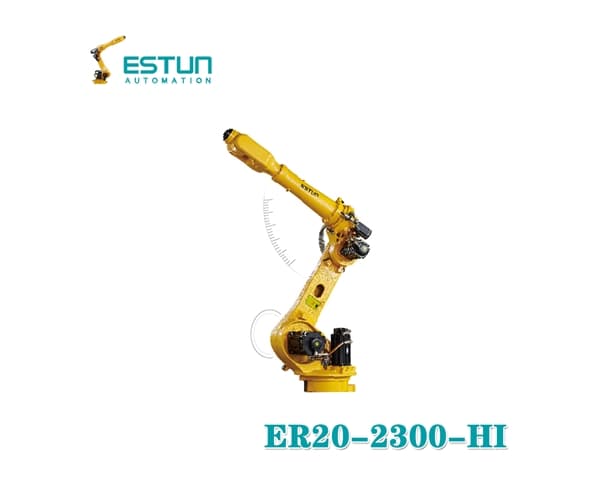
Estun ERP20-2000
Estun Automation
$28,000 - $38,000
payload: 5kgreach: 2,000mmrepeatability: ±0.05mm
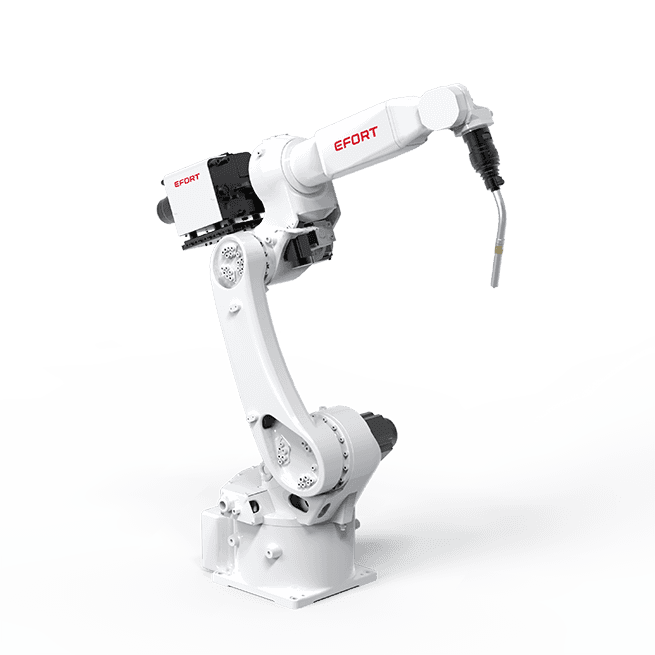
Efort SP20-1800
Efort Intelligent Equipment
$25,000 - $35,000
payload: 5kgreach: 1,800mmrepeatability: ±0.06mm
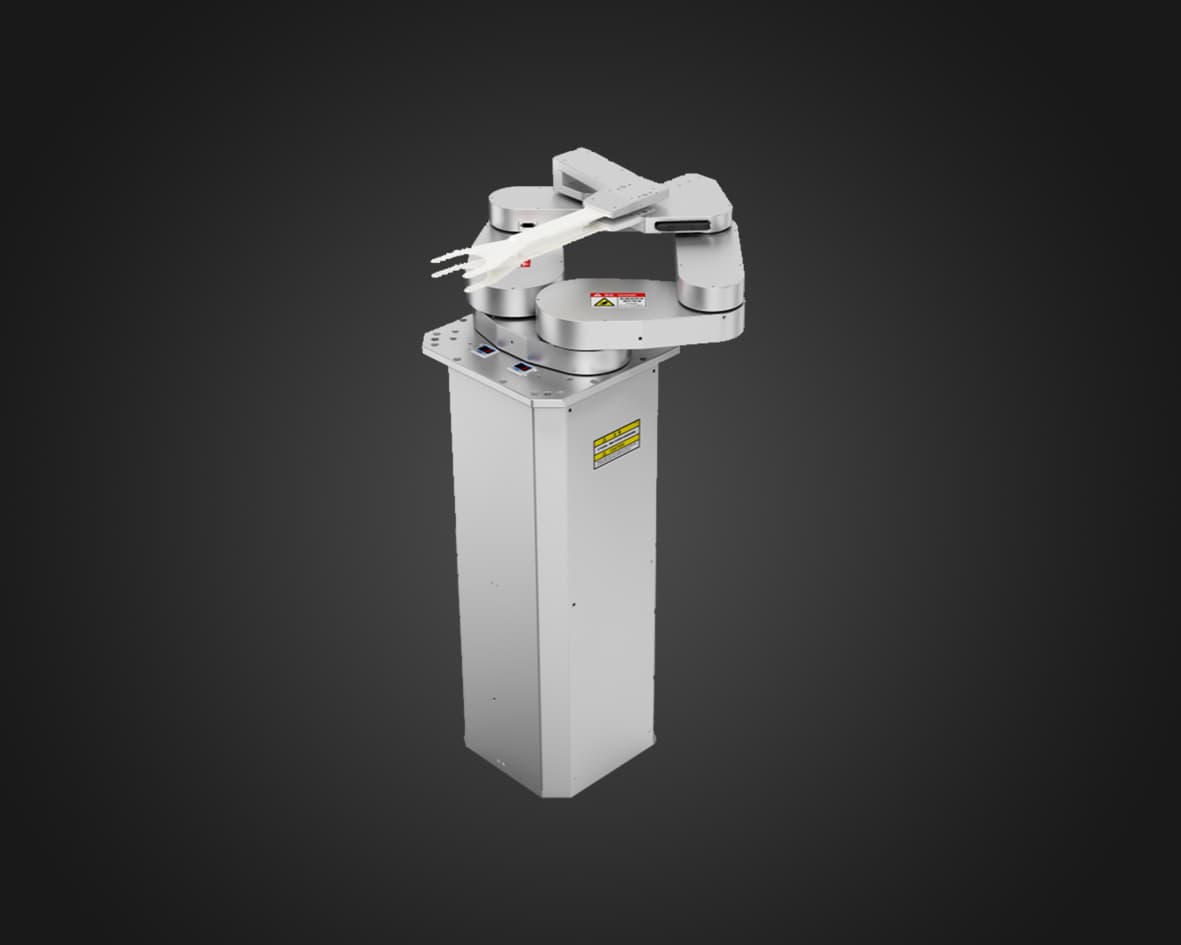
STEP SR7P-2100
STEP Electric (Shanghai)
$32,000 - $42,000
payload: 7kgreach: 2,100mmrepeatability: ±0.05mm
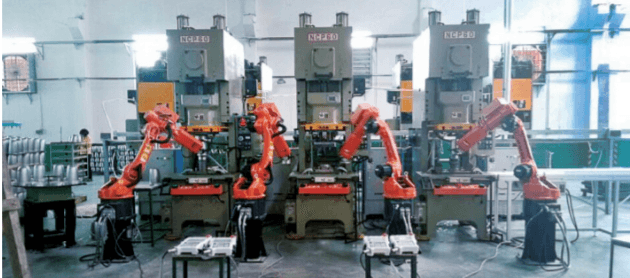
GSK RB08-1600P
GSK CNC Equipment
$18,000 - $26,000
payload: 5kgreach: 1,600mmrepeatability: ±0.08mm
Siasun SRP10-1900
Siasun Robot & Automation
$35,000 - $48,000
payload: 10kgreach: 1,900mmrepeatability: ±0.05mm
Frequently Asked Questions
How much does an industrial painting robot cost?
Industrial painting robot prices range from $18,000 to $120,000+ depending on the system configuration. A basic Chinese-made 6-axis painting robot arm starts at $18,000-$30,000 from manufacturers like GSK CNC and Efort. Mid-range systems with automatic color change and flow control cost $30,000-$50,000 from Estun, STEP, and Siasun. Complete turnkey paint cells including the robot, spray booth, conveyor, and controls run $60,000-$150,000. By comparison, equivalent ABB or Fanuc painting robots cost $80,000-$200,000+ for the robot arm alone. Chinese painting robots offer 40-60% savings with increasingly competitive finish quality.
Why do painting robots need to be explosion-proof?
Painting robots must be explosion-proof because most industrial paints and coatings contain volatile organic compounds (VOCs) that form flammable or explosive vapor-air mixtures during spraying. A single electrical spark from a motor, connector, or switch could ignite these vapors and cause an explosion. Explosion-proof (Ex-rated) painting robots use sealed housings, pressurized enclosures, or intrinsically safe circuits to prevent internal sparks from reaching the surrounding atmosphere. Common ratings include IIB T4 (suitable for most paints) and IIC T5 (highest rating, required for highly volatile solvents like acetone or MEK). Water-based paints are less hazardous but still require proper Ex ratings due to co-solvents.
What is the difference between HVLP, airless, and rotary bell spray guns on painting robots?
HVLP (High Volume Low Pressure) guns are the most common on painting robots, offering 65-75% transfer efficiency at low cost — ideal for furniture, small parts, and general coating. Airless spray guns atomize paint using hydraulic pressure alone, producing heavy coatings quickly for industrial primers and protective coatings on structural steel, but with lower finish quality. Rotary bell atomizers are the premium option used in automotive topcoat lines — they spin paint off a rotating cup at 20,000-60,000 RPM with electrostatic charging, achieving 85-95% transfer efficiency and the finest atomization for Class A automotive finishes. Rotary bells cost $8,000-$20,000 each vs $500-$2,000 for HVLP or airless guns.
How do Chinese painting robots compare to ABB and Fanuc?
Chinese painting robot manufacturers like Estun, Efort, and Siasun have made significant progress but still trail ABB and Fanuc in premium automotive finishing. ABB's IRB 5500 and Fanuc's P-series set the standard for path accuracy (±0.03mm), long-term reliability (60,000+ hours MTBF), and advanced features like 3D vision-guided coating. Chinese robots offer adequate performance (±0.05-0.08mm repeatability) for furniture, general metal parts, appliances, and mid-tier automotive components at 40-60% lower prices. For Tier 1 automotive OEM topcoat lines demanding Class A finishes, ABB and Fanuc remain the preferred choice. For everything else — primers, clear coats on non-premium vehicles, and general industrial coating — Chinese painting robots deliver strong value.
What maintenance does a painting robot require?
Painting robot maintenance focuses on both the robot mechanism and the paint delivery system. Daily tasks include cleaning spray nozzles and tips, checking paint filter pressures, and inspecting hoses for leaks or blockages. Weekly maintenance involves cleaning the robot exterior of overspray buildup, checking air supply pressures, and verifying atomizer RPM on rotary bell systems. Monthly tasks include greasing robot joints (using paint-safe grease), inspecting cable harnesses routed through the hollow wrist, and calibrating flow meters. Every 6-12 months, replace paint hoses, seals, and wear parts on spray guns. Annual costs run $3,000-$8,000 depending on paint type and production volume. Solvent-based paints cause more wear than water-based systems.
What is the ROI of switching from manual spraying to a painting robot?
Painting robots typically achieve ROI within 12-18 months. The primary savings come from three areas: labor cost reduction (one robot replaces 2-4 manual sprayers across shifts, saving $50,000-$120,000/year), paint material savings of 20-40% through consistent spray patterns and reduced overspray (saving $15,000-$60,000/year on paint alone for a busy line), and quality improvement reducing rework and rejection rates from 5-15% to under 1%. Additional benefits include reduced VOC emissions enabling environmental compliance, improved worker safety by removing operators from hazardous spray booths, and 3-5x higher throughput. A $50,000 painting robot system in a furniture factory spraying 500 pieces per day typically saves $80,000-$120,000 annually.
Can painting robots handle multiple colors and frequent color changes?
Yes, modern painting robots support automatic color change with minimal waste and downtime. Systems use color-change valve manifolds that can switch between 10-30 colors in 15-45 seconds, flushing the gun and lines with solvent between colors. Paint waste per color change ranges from 20-100ml depending on line length and system design. For high-mix operations like custom furniture or automotive repair, quick-flush systems can change colors in under 20 seconds with less than 30ml waste. The robot controller stores separate spray programs per color with optimized flow rates, fan widths, and atomization settings. Two-component (2K) paints and metallic finishes require longer purge cycles of 30-60 seconds. Annual color-change solvent costs range from $2,000-$10,000 depending on frequency.
Related Articles
Related Categories
Get a Free Quote
Fill out the form below and we'll connect you with verified manufacturers within 24 hours.