Sorting Robot from China — Top Manufacturers & Suppliers
Sorting robots are the backbone of modern logistics and e-commerce fulfillment, automatically sorting millions of parcels and products daily with speed and accuracy that far exceeds manual processing. Chinese manufacturers dominate the global sorting robot market, powering logistics operations for companies like JD.com, Alibaba, and DHL.
Companies like Geek+, Libiao Robotics, and Quicktron offer a range of sorting solutions — from compact parcel-sorting robots that handle individual packages to large-scale goods-to-person systems that transform entire warehouse operations.
Sorting robot prices range from $10,000 for individual units to $500,000+ for complete sorting system deployments. Chinese manufacturers offer the most competitive pricing in the market, with system-level costs 30-50% below Western alternatives.
Top Sorting Robot Products
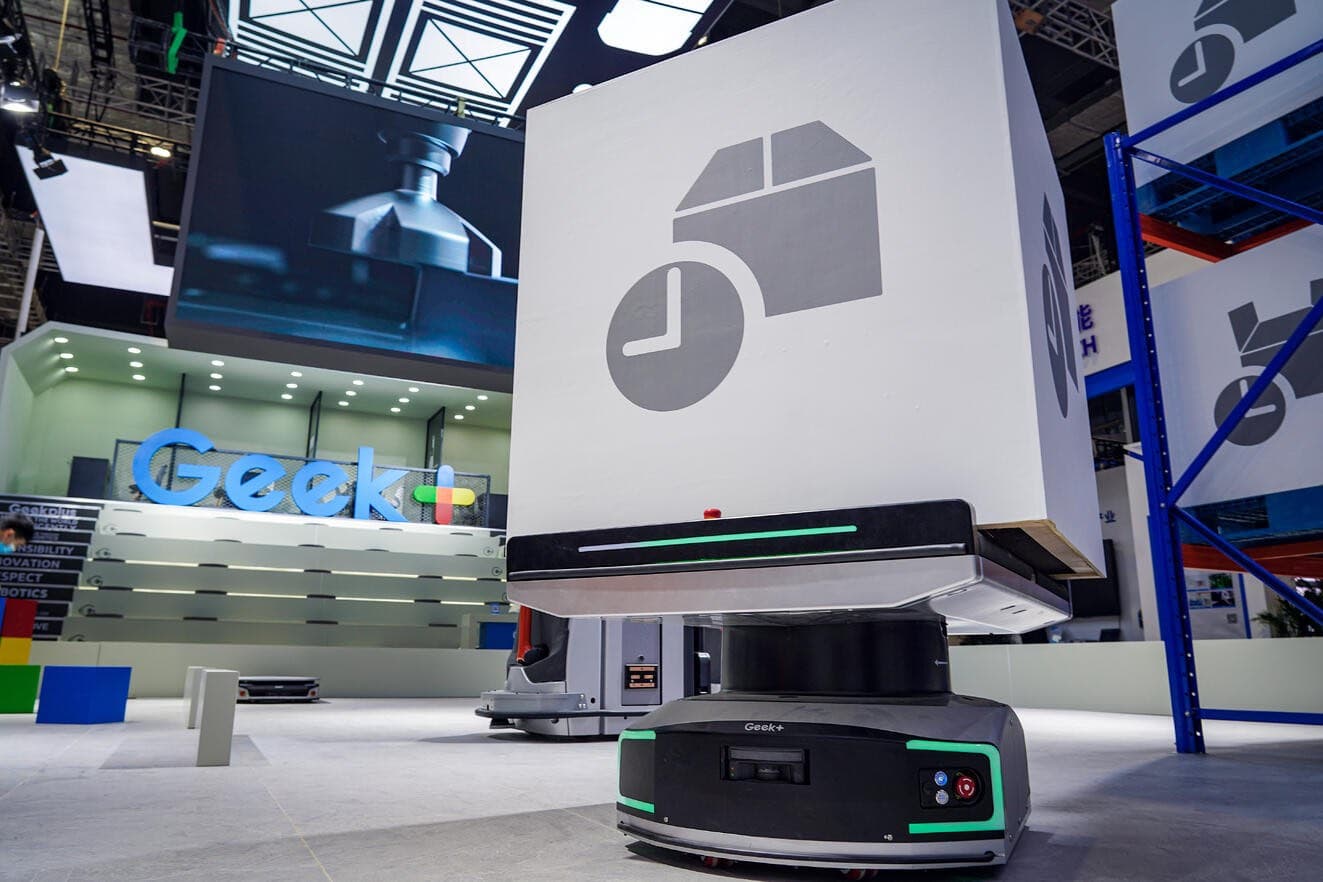
Geek+ S20 Sorting Robot
Geek+ (Geekplus)
$15,000 - $25,000
sorting_speed: 4,000 parcels/hourpayload: 8kgaccuracy_rate: 99.99%
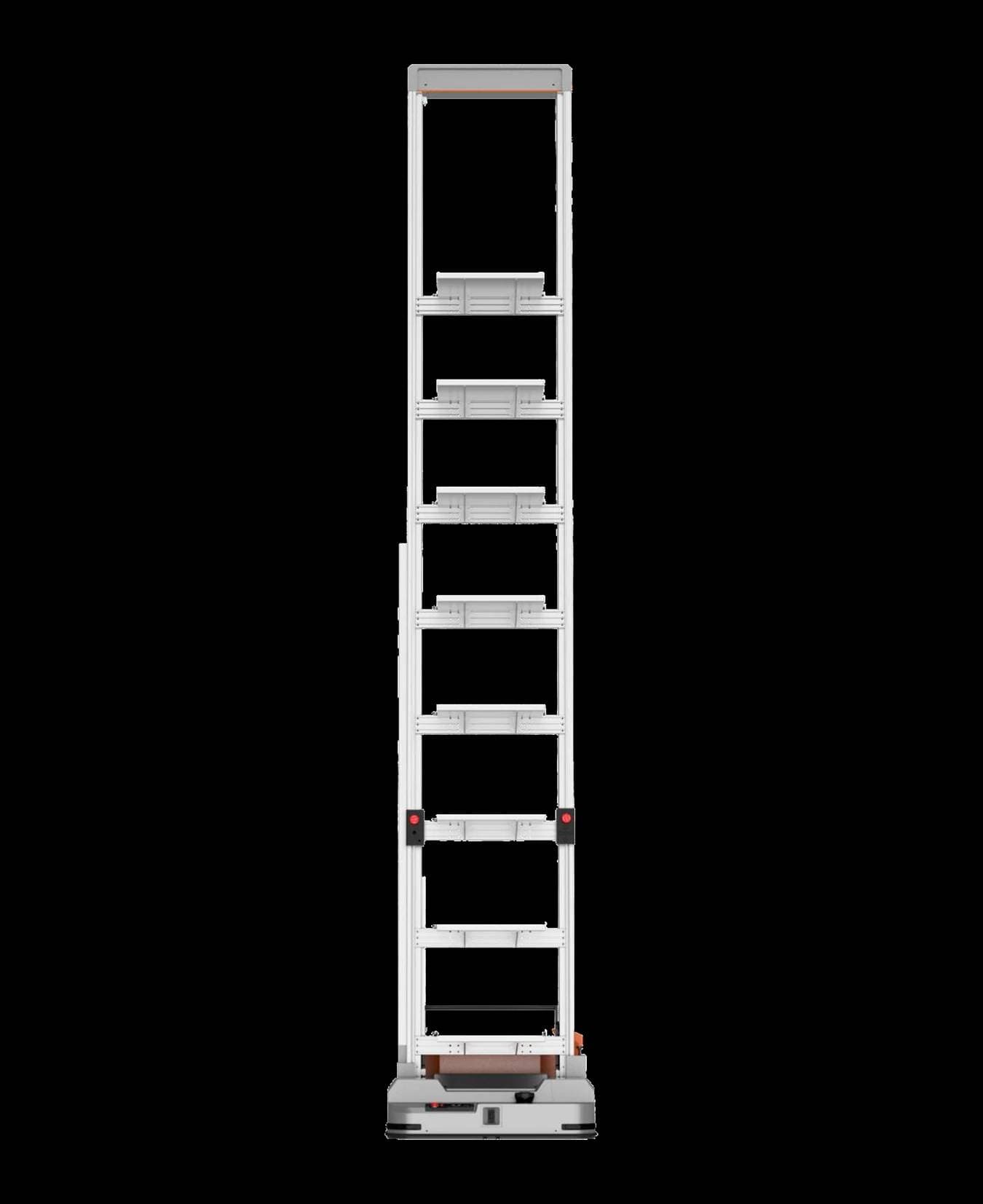
Quicktron QS60 Sorting System
Quicktron (Shanghai)
$12,000 - $20,000
sorting_speed: 3,500 parcels/hourpayload: 5kgaccuracy_rate: 99.95%
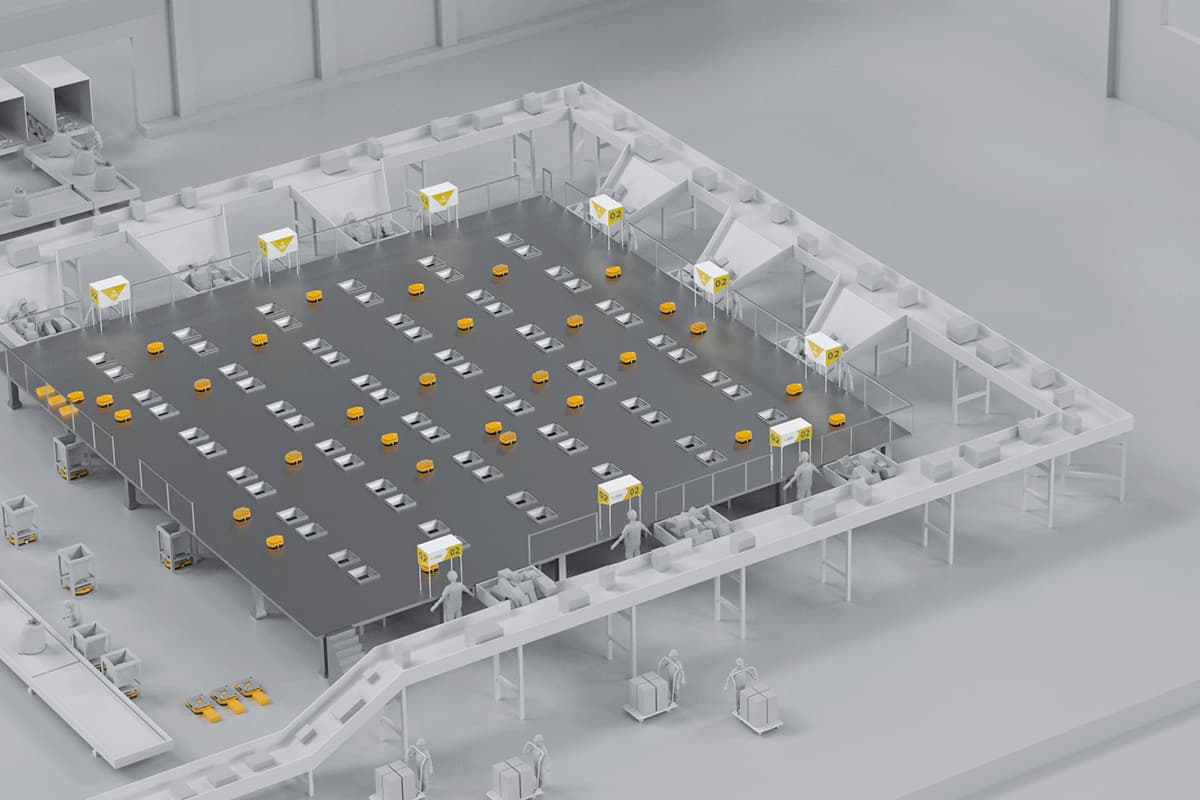
Libiao Mini Bee Sorting Robot
Libiao Robotics
$8,000 - $15,000
sorting_speed: 3,000 parcels/hourpayload: 5kgaccuracy_rate: 99.9%
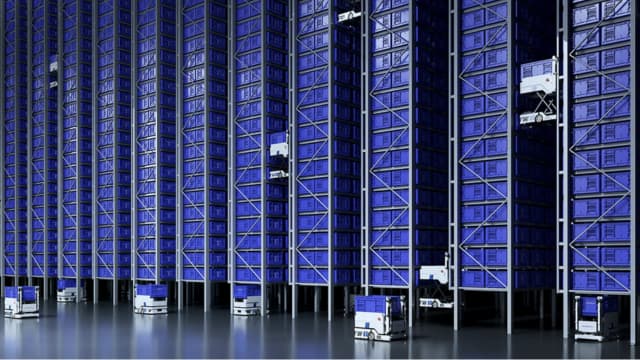
Hai Robotics Swift Sorter
Hai Robotics
$20,000 - $35,000
sorting_speed: 5,000 parcels/hourpayload: 15kgaccuracy_rate: 99.99%
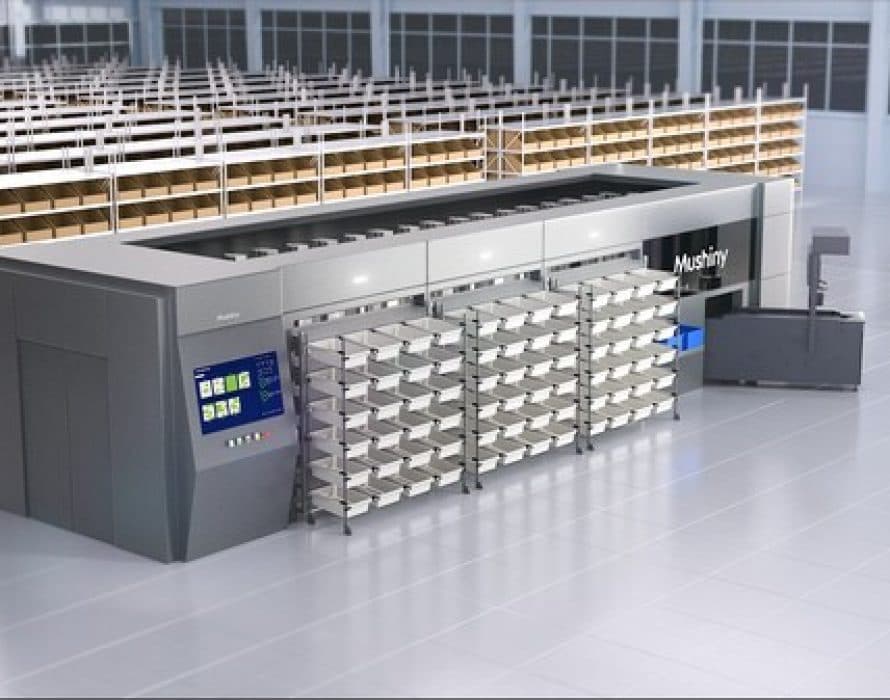
Mushiny S500 Smart Sorter
Mushiny Intelligence
$10,000 - $18,000
sorting_speed: 3,200 parcels/hourpayload: 8kgaccuracy_rate: 99.95%
Sorting Robot by Application
Frequently Asked Questions
What is the difference between sorting robots and traditional belt sorters?
Traditional belt sorters (cross-belt, tilt-tray conveyors) are fixed infrastructure systems costing $2-10 million that require months of installation and cannot be reconfigured. Sorting robots are autonomous mobile units costing $8,000-$35,000 each that navigate a flat floor grid, collecting parcels from induction stations and delivering them to destination chutes. Key advantages of sorting robots include: 50-70% lower upfront cost for equivalent throughput, 2-week deployment vs. 6+ months, easy scalability by adding more robots, and flexible chute reconfiguration without construction. Traditional sorters still excel for extremely high throughput (100,000+ parcels/hour) in permanent facilities, while sorting robots dominate in leased facilities, growing operations, and seasonal surge capacity.
How many parcels can sorting robots process per hour?
Individual sorting robots process 3,000-5,000 parcels per hour depending on the model and parcel size. System-level throughput scales linearly with fleet size: a 100-robot system handles 15,000-25,000 parcels per hour, while large installations with 500+ robots process 100,000-200,000 parcels per hour. For example, Geek+ S20 robots at 4,000 parcels/hour with a 300-unit fleet achieve 700,000+ parcels per day. Quicktron systems deployed in Cainiao sorting centers handle 10 million parcels daily across multiple facilities. Key factors affecting throughput include parcel weight distribution, number of destination chutes, travel distance on the sorting grid, and battery swap efficiency.
How much do sorting robots cost from Chinese manufacturers?
Chinese sorting robot prices range from $8,000 to $35,000 per unit depending on capacity and features. Budget models like the Libiao Mini Bee cost $8,000-$15,000 and handle parcels up to 5kg. Mid-range robots from Quicktron and Mushiny run $10,000-$20,000 with enhanced navigation and monitoring. Premium models like the Hai Robotics Swift Sorter cost $20,000-$35,000 and handle heavier parcels up to 15kg. A complete sorting system for a medium facility (100 robots, 200 chutes, software, and grid infrastructure) costs $1.5-$3 million. Chinese manufacturers offer 40-60% savings compared to European systems from companies like Vanderlande or Interroll, making robot-based sorting economically viable for regional courier hubs.
What size and weight of parcels can sorting robots handle?
Standard sorting robots handle parcels weighing 1-8kg with dimensions up to 600 x 500 x 400mm, covering approximately 85% of e-commerce parcels. Heavy-duty models like the Hai Robotics Swift Sorter handle up to 15kg for larger packages. Most robots use cross-belt or tilt-tray mechanisms to discharge parcels, with cross-belt systems better for flat items like envelopes and clothing, and tilt-tray systems better for boxed goods. Irregular-shaped items, polybags, and very small items (under 100mm) may require special induction handling. For oversized or overweight parcels exceeding robot capacity, hybrid systems combine robotic sorting for standard parcels with manual or conveyor-based sorting for exceptions.
How quickly can a sorting robot system be deployed?
Chinese sorting robot systems can be deployed in 2-6 weeks, dramatically faster than traditional sorter installations requiring 4-12 months. The deployment process includes: site survey and layout design (3-5 days), floor preparation and grid marker installation (3-7 days), robot delivery and commissioning (5-10 days), software integration and testing (3-7 days), and operator training (2-3 days). Rapid deployment is possible because sorting robots require only a flat floor with QR code or RFID grid markers — no heavy civil works, overhead structures, or complex conveyor installation. Manufacturers like Quicktron and Libiao Robotics offer turnkey deployment services. Temporary installations for peak seasons (Singles' Day, Black Friday) can be set up in under 2 weeks and relocated afterward.
What is the ROI of sorting robots for logistics companies?
Sorting robots deliver ROI in 1.5-3 years for most logistics operations. A typical 200-robot sorting system costing $2-3 million replaces 150-200 manual sorters, saving $1.5-$2.5 million annually in labor costs. Additional savings include: 60% reduction in sorting errors (reducing mis-delivery costs), 40% lower energy consumption vs. traditional belt sorters, and 24/7 operation capability tripling effective throughput. The modular nature of robot sorting also eliminates facility lock-in — robots can be redeployed across sites as logistics networks evolve. For e-commerce companies processing 50,000+ parcels daily, the breakeven point is typically reached in 18-24 months. Chinese manufacturers offer Robot-as-a-Service (RaaS) leasing from $500-$1,500/robot/month, enabling positive ROI from month one for capital-constrained operators.
How do sorting robots maintain accuracy and handle errors?
Modern sorting robots achieve 99.9-99.99% sorting accuracy through multi-layered verification. During induction, 6-sided barcode scanning cameras read shipping labels and match parcels to destinations. On-robot weight sensors verify parcel identity against database records. Destination chute confirmation sensors validate successful discharge. When errors occur, the system flags parcels for manual review at exception stations — typically handling 0.01-0.1% of total volume. AI-based improvements include: vision systems that read damaged or partially obscured labels, machine learning models that predict correct destinations for misread parcels, and real-time quality monitoring dashboards. Fleet management software tracks per-robot accuracy metrics and automatically routes underperforming robots for maintenance. Leading Chinese systems from Geek+ and Hikrobot achieve 99.99% accuracy at scale.
Related Articles
Related Categories
Get a Free Quote
Fill out the form below and we'll connect you with verified manufacturers within 24 hours.