Underwater Robot from China — Top Manufacturers & Suppliers
Underwater robots, including Remotely Operated Vehicles (ROVs) and Autonomous Underwater Vehicles (AUVs), are opening up new possibilities for marine exploration, underwater infrastructure inspection, and aquaculture management. Chinese manufacturers have emerged as global leaders in consumer and professional underwater drone technology.
Companies like Chasing, Qysea, and Geneinno produce underwater robots ranging from compact consumer drones for diving photography to industrial-grade ROVs for dam and pipeline inspection. These robots feature 4K cameras, powerful thrusters, and depth ratings from 100m to 300m+.
With prices starting at $500 for entry-level underwater drones and reaching $50,000+ for professional inspection-grade ROVs, Chinese manufacturers offer the widest range of underwater robot solutions at the most competitive prices globally.
Top Underwater Robot Products
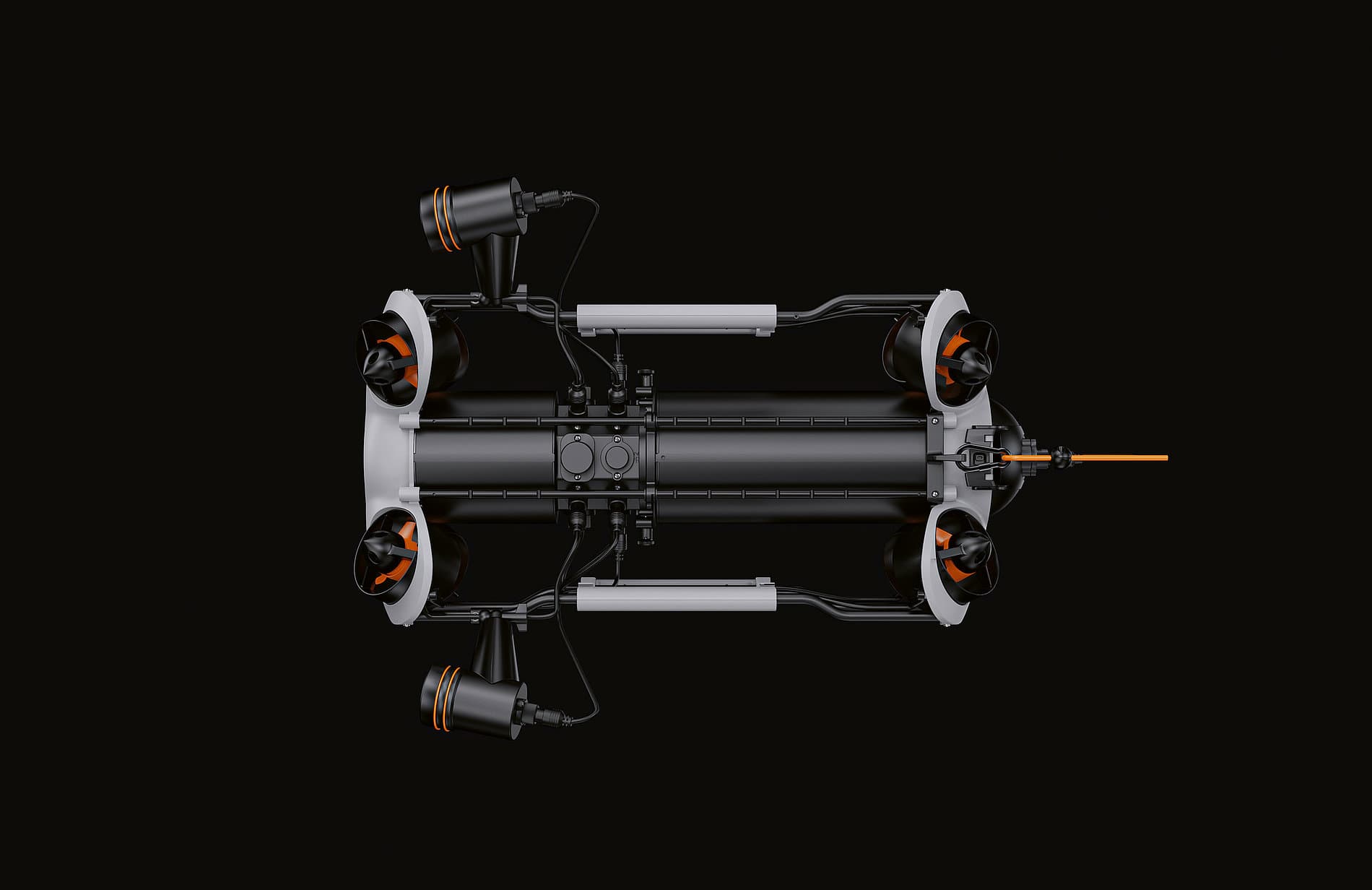
CHASING M2 Pro
Chasing Innovation
$3,500 - $5,500
depth_rating: 150mspeed: 1.5 m/sbattery: 4 hours
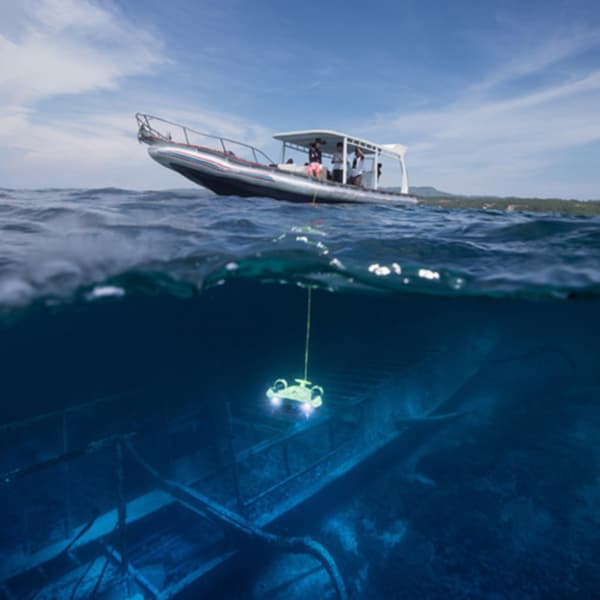
FIFISH V6 Expert
Qysea Technology
$4,000 - $6,500
depth_rating: 200mspeed: 1.5 m/sbattery: 3.5 hours
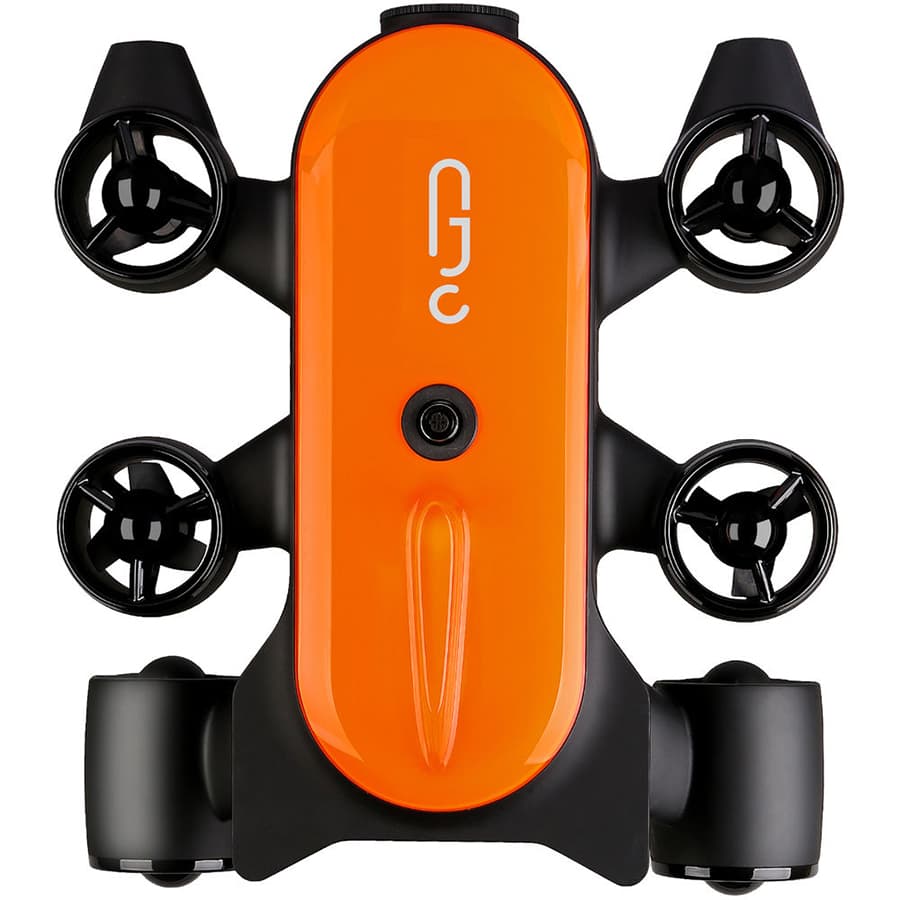
Geneinno Titan
Geneinno Technology
$2,500 - $4,000
depth_rating: 150mspeed: 2.0 m/sbattery: 4 hours
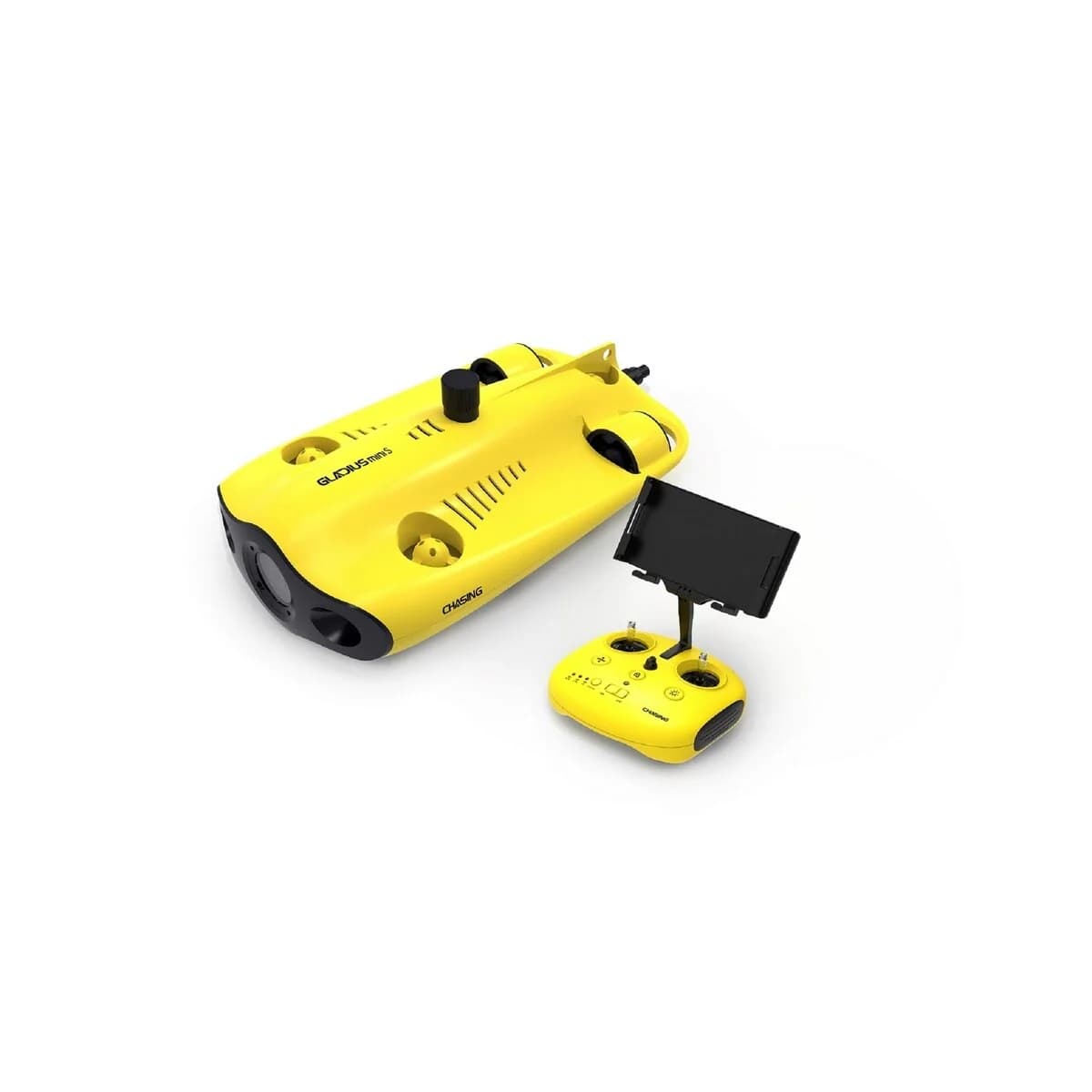
CHASING Gladius Mini S
Chasing Innovation
$1,200 - $1,800
depth_rating: 100mspeed: 1.5 m/sbattery: 3 hours
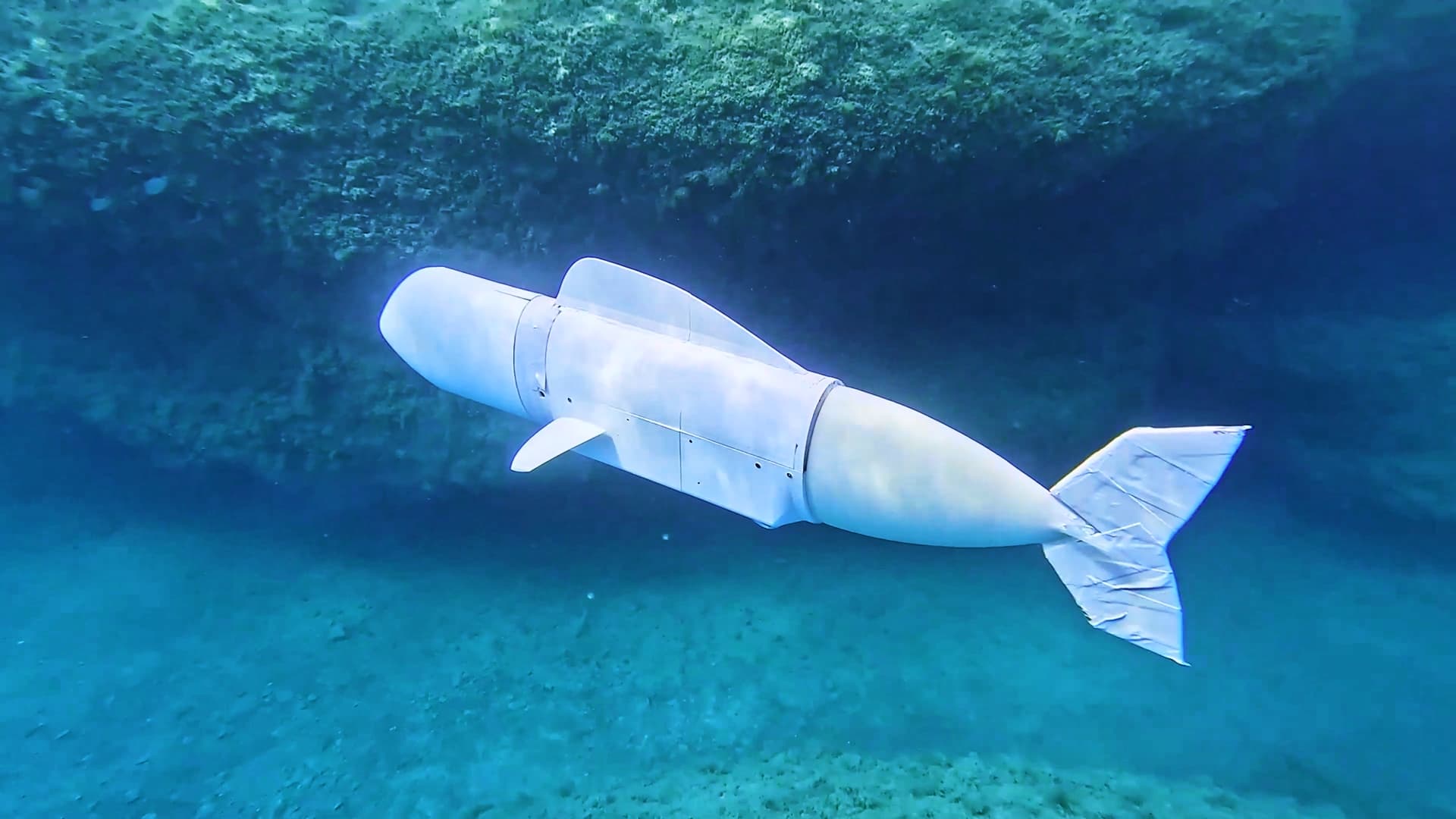
Robosea ROBO-SHARK
Robosea Technology
$15,000 - $50,000
depth_rating: 300mspeed: 1.8 m/sbattery: 6 hours
Underwater Robot by Application
Frequently Asked Questions
How much does an underwater robot or ROV cost?
Underwater robot prices range from $1,000 for entry-level consumer drones like the CHASING Gladius Mini S to over $50,000 for industrial and military-grade systems like the Robosea ROBO-SHARK. Mid-range professional ROVs from Chinese manufacturers such as Qysea (FIFISH V6 Expert at $4,000-$6,500) and Chasing (M2 Pro at $3,500-$5,500) offer excellent value for commercial inspection and filmmaking. Enterprise-class ROVs with manipulator arms, sonar, and advanced autonomy typically start at $15,000 and can exceed $100,000 for deep-sea rated configurations.
What is the maximum depth rating for underwater robots from China?
Chinese underwater robots cover a wide depth range depending on class and application. Consumer models typically reach 100-150m, which is sufficient for recreational diving and shallow water inspection. Professional ROVs like the FIFISH V6 Expert are rated to 200m, suitable for offshore infrastructure and ship hull inspection. High-end systems like the Robosea ROBO-SHARK reach 300m or more, designed for deep-water research and defense. For ultra-deep applications exceeding 1,000m, specialized industrial ROVs are available from companies like Sublue, though pricing increases substantially with depth capability.
What are the main applications for underwater robots?
Underwater robots serve a broad range of industries and applications. In aquaculture, they are used for net cage inspection, fish health monitoring, and underwater feeding system checks. Infrastructure inspection covers dam walls, bridge pilings, ship hulls, pipelines, and offshore wind farm foundations. Marine research applications include coral reef surveys, environmental monitoring, and underwater archaeology. Other growing use cases include port and harbor security, search and rescue operations, underwater filmmaking, and recreational exploration. Chinese manufacturers offer models optimized for each of these segments at competitive price points.
How long does an underwater robot battery last?
Battery life for underwater robots typically ranges from 2 to 6 hours depending on the model and operating conditions. Consumer drones like the CHASING Gladius Mini S offer around 3 hours, while professional models like the CHASING M2 Pro provide up to 4 hours of continuous operation. Larger bionic systems like the Robosea ROBO-SHARK can achieve 6 hours thanks to efficient propulsion design. Factors affecting battery life include current strength, thruster usage intensity, lighting, and water temperature. Most modern Chinese underwater drones feature swappable battery packs, allowing operators to extend dive time by carrying spare batteries.
Who are the top underwater robot manufacturers in China?
China is home to several world-class underwater robot manufacturers. Chasing Innovation (Shenzhen) is the market leader in consumer and professional underwater drones with the CHASING M2 and Gladius series. Qysea Technology (Shenzhen) produces the FIFISH series known for industrial inspection capabilities and AI vision. Geneinno Technology (Shenzhen) offers the Titan and Poseidon series for aquaculture and research. Robosea Technology (Beijing), spun out of Peking University, specializes in bionic underwater robots for defense and research. Sublue Technology (Tianjin) bridges recreational and professional markets with a broad product range. Together these companies have made China the global hub for affordable underwater robotics.
How do I choose the right underwater robot for my needs?
Choosing the right underwater robot depends on your primary use case, required depth, and budget. For recreational use and basic filming, entry-level models like the CHASING Gladius Mini S ($1,200-$1,800) with 100m depth rating are sufficient. For professional inspection work in ports, aquaculture, or infrastructure, mid-range ROVs like the FIFISH V6 Expert or CHASING M2 Pro ($3,500-$6,500) offer the necessary stability, camera quality, and accessory support. For deep-water operations, research, or defense applications, consider high-end systems rated to 300m or more. Key specifications to compare include depth rating, thruster count and configuration, camera resolution, battery life, tether length, and available tool attachments.
Can underwater robots operate in strong currents and poor visibility?
Modern Chinese underwater robots are designed to handle challenging conditions, though performance varies by model. ROVs with 6 to 8 thrusters, such as the CHASING M2 Pro and FIFISH V6 Expert, maintain stable positioning in currents up to 1.5 knots using vectored thrust and posture lock technology. For stronger currents, larger industrial-class ROVs are recommended. In poor visibility conditions, many models support auxiliary LED lighting (2,000-6,000 lumens), and advanced systems can integrate sonar imaging to navigate in zero-visibility water. Water turbidity, marine growth, and extreme cold can also affect performance, so it is important to select a model rated for your specific operating environment.
Related Articles
Related Categories
Get a Free Quote
Fill out the form below and we'll connect you with verified manufacturers within 24 hours.